News

How Does a Block Maintenance Room Improve Efficiency and Safety in Concrete Block Production?

2026-07-07 0 Leave me a message

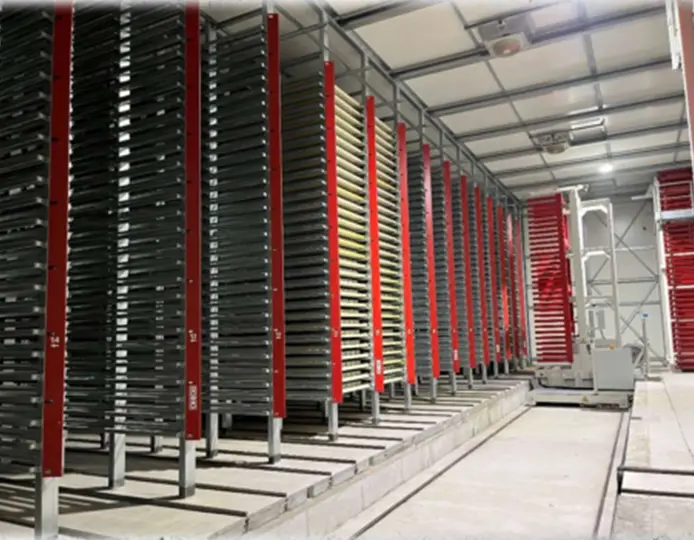
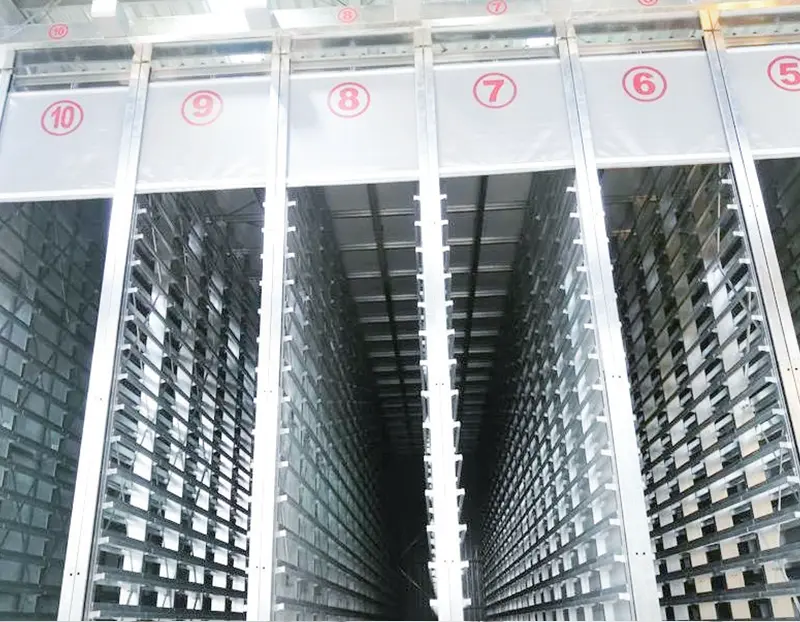
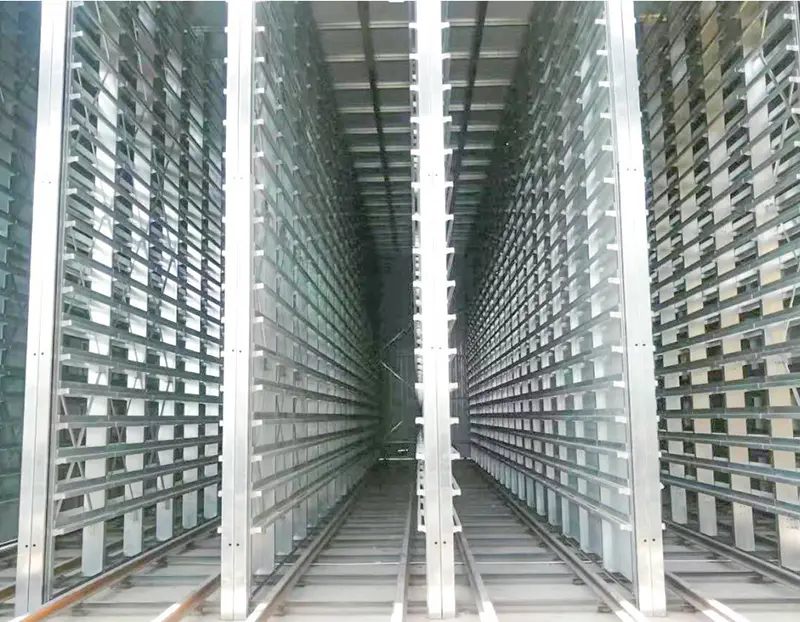
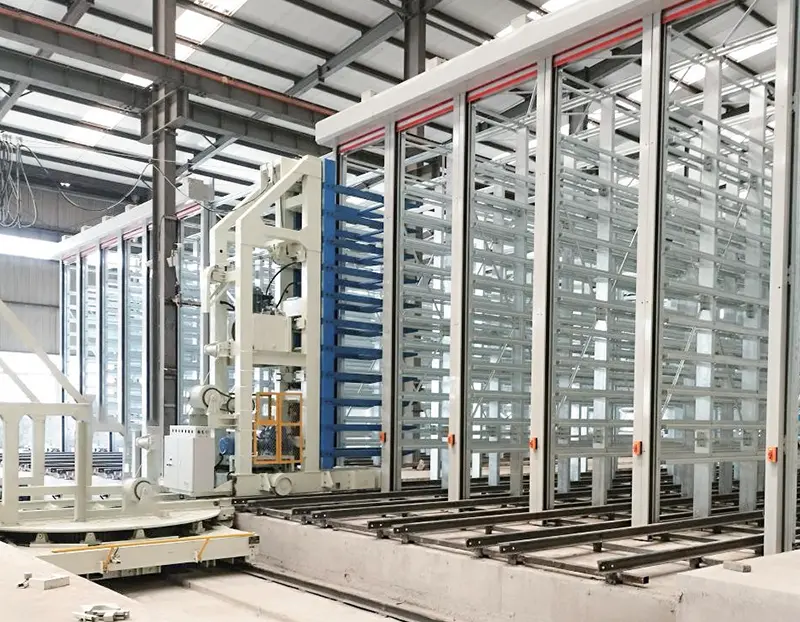
A Block Maintenance Room is an essential facility designed to provide controlled curing, maintenance, and quality improvement conditions for concrete blocks after production. As construction standards become increasingly strict, manufacturers need solutions that can reduce product defects, improve production efficiency, and ensure consistent block performance. This article explains the working principles, importance, applications, advantages, structural design, and maintenance considerations of Block Maintenance Rooms. It also explores how advanced solutions from professional manufacturers such as QUANGONG MACHINERY CO.,LTD help block producers achieve higher productivity and stronger product quality.

Block Maintenance Room


Table of Contents


1. What Is a Block Maintenance Room?

A Block Maintenance Room is a specialized environment used for maintaining freshly produced concrete blocks under controlled temperature, humidity, and airflow conditions. After concrete blocks are formed by a block-making machine, they require sufficient curing time to achieve the expected strength, durability, and stability.

Without proper maintenance conditions, concrete blocks may experience problems such as surface cracks, insufficient strength, uneven density, excessive shrinkage, and reduced service life. A Block Maintenance Room solves these challenges by creating an optimized curing environment where cement hydration can continue effectively.

In modern concrete block production lines, the maintenance process is no longer considered a simple storage stage. Instead, it has become a critical quality control step that directly influences production efficiency and customer satisfaction.

Main Functions of a Block Maintenance Room

Function Description
Temperature Control Maintains suitable temperatures to support cement hydration and strength development.
Humidity Management Prevents moisture loss and reduces cracking risks during curing.
Quality Improvement Ensures uniform strength and stable performance of finished blocks.
Production Management Provides organized curing space for efficient material handling.
Energy Optimization Reduces unnecessary energy consumption through controlled environments.

2. Why Is a Block Maintenance Room Important?

The quality of concrete blocks depends not only on raw materials and production equipment but also on the curing process. Even high-performance block machines cannot guarantee excellent final products if curing conditions are unstable.

Many manufacturers face common challenges including inconsistent product strength, high rejection rates, long curing periods, and increasing production costs. A properly designed Block Maintenance Room addresses these issues by providing a predictable and controlled curing environment.

Key Reasons Why Manufacturers Need Block Maintenance Rooms

  • Improved Block Strength: Controlled curing allows cement particles to fully react, increasing compressive strength.
  • Reduced Product Defects: Stable humidity and temperature reduce cracks, deformation, and surface damage.
  • Higher Production Efficiency: Organized curing management allows continuous production without unnecessary waiting periods.
  • Better Resource Utilization: Proper maintenance reduces material waste and improves overall production economics.
  • Meeting Construction Requirements: High-quality blocks are more likely to meet strict building standards.

3. How Does a Block Maintenance Room Work?

The working principle of a Block Maintenance Room is based on controlling the curing environment after block molding. Fresh concrete blocks contain cement, aggregates, and water. During curing, cement reacts with water through hydration, gradually forming a strong internal structure.

The maintenance room creates suitable conditions that accelerate and stabilize this process. Depending on production requirements, the system may control temperature, humidity, ventilation, and curing duration.

Process Stage Main Purpose Expected Result
Initial Placement Move fresh blocks into the maintenance area carefully. Avoid deformation and early damage.
Humidity Maintenance Keep adequate moisture levels. Improve hydration efficiency.
Temperature Regulation Create suitable curing conditions. Accelerate strength development.
Final Curing Allow blocks to reach designed performance. Produce stable finished products.

4. What Are the Main Components of a Block Maintenance Room?

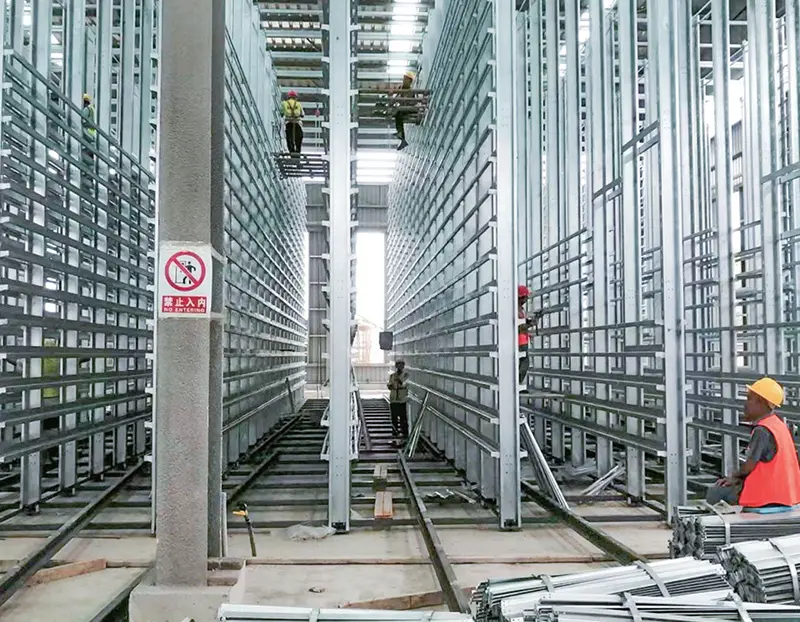
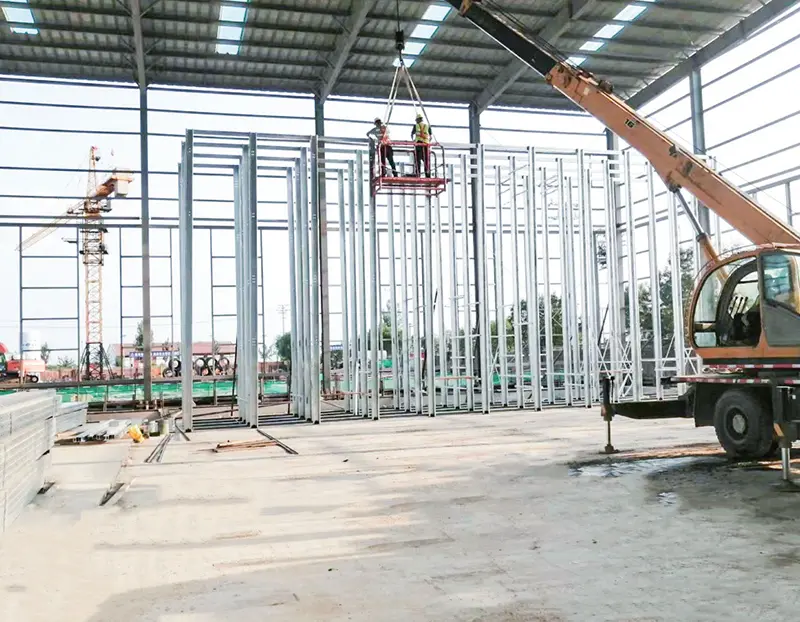
A modern Block Maintenance Room consists of multiple systems working together. The design may vary according to production capacity, factory layout, climate conditions, and automation requirements.

  • Insulated Room Structure: High-quality insulation materials help maintain stable internal conditions and reduce heat loss.
  • Temperature Control System: Heating equipment and sensors regulate curing temperatures.
  • Humidity Control Equipment: Humidifiers or steam systems maintain proper moisture levels.
  • Ventilation System: Provides balanced airflow to avoid uneven curing.
  • Control System: Intelligent controllers monitor and adjust operating parameters automatically.
  • Material Handling System: Supports efficient movement of block pallets inside the curing area.

Important Design Considerations

When designing a Block Maintenance Room, manufacturers should consider production capacity, available factory space, local climate, block type, curing requirements, and future expansion possibilities. A well-designed system should provide reliable performance while minimizing operating costs.


5. What Benefits Can Manufacturers Gain from Using a Block Maintenance Room?

For concrete block manufacturers, improving product consistency while controlling production costs is one of the biggest challenges. A Block Maintenance Room provides a practical solution by creating a stable curing environment that improves both operational performance and product quality.

Whether used in small-scale block factories or large automated production plants, an effective maintenance system can significantly improve manufacturing results. The following advantages explain why more companies are investing in professional maintenance solutions.

Benefit Impact on Production
Higher Product Strength Improves compressive resistance and durability, helping blocks meet construction requirements.
Lower Defect Rate Reduces cracks, broken edges, uneven surfaces, and rejected products.
Shorter Production Cycle Optimized curing conditions allow faster strength development.
Stable Product Quality Ensures every batch maintains consistent performance.
Reduced Labor Requirements Automated systems minimize manual monitoring and adjustment.
Better Factory Organization Creates a structured curing area and improves production management.

Solving Common Customer Pain Points

  • Problem: Block strength varies between batches.
    Solution: A controlled Block Maintenance Room provides stable temperature and humidity conditions, reducing quality differences.
  • Problem: Production delays caused by slow curing.
    Solution: Optimized curing conditions accelerate the hydration process and improve production efficiency.
  • Problem: High product rejection rates.
    Solution: Proper maintenance reduces cracks, deformation, and surface defects.
  • Problem: Increasing energy and labor costs.
    Solution: Intelligent control systems improve energy usage and reduce manual operation.

6. Different Types of Block Maintenance Rooms

Different construction environments and production capacities require different maintenance solutions. Selecting the right type of Block Maintenance Room helps manufacturers achieve the best balance between investment, efficiency, and performance.

Type Features Suitable Application
Natural Curing Room Uses environmental conditions with limited temperature and humidity control. Small production facilities with basic requirements.
Steam Curing Room Uses steam to increase temperature and humidity for faster curing. Large-scale production requiring shorter curing cycles.
Automatic Maintenance Room Uses sensors and intelligent controls for automatic operation. Modern factories with automated production lines.
Customized Maintenance System Designed according to factory layout and product requirements. Manufacturers with special production conditions.

Comparison Between Traditional Curing and Modern Maintenance Rooms

Aspect Traditional Curing Modern Block Maintenance Room
Environmental Control Depends heavily on weather conditions. Automatically controlled and stable.
Product Consistency Quality may vary. Produces more uniform blocks.
Labor Requirement Requires frequent manual checking. Reduces operator workload.
Production Efficiency Limited curing speed. Optimized curing process.

7. How to Choose the Right Block Maintenance Room?

Choosing the correct maintenance solution requires careful consideration of production goals, factory conditions, and future development plans. A low-quality system may increase operating expenses and fail to provide expected curing performance.

Important Selection Factors

  • Production Capacity: The maintenance room size should match the daily production volume of the block factory.
  • Block Product Type: Different blocks such as hollow blocks, solid blocks, and paving blocks may require different curing conditions.
  • Climate Environment: Temperature and humidity conditions in different regions influence maintenance design.
  • Automation Requirements: Factories seeking higher efficiency should consider intelligent control systems.
  • Energy Consumption: A good design should reduce unnecessary energy use while maintaining performance.
  • After-Sales Support: Reliable technical assistance helps maintain long-term operation.

Checklist Before Purchasing

  1. Evaluate current production capacity.
  2. Analyze factory space and layout.
  3. Confirm required curing technology.
  4. Compare equipment reliability and durability.
  5. Check supplier engineering experience.
  6. Consider future production expansion.

8. Common Problems and Solutions in Block Maintenance Management

Even with advanced equipment, improper operation or unsuitable maintenance conditions may affect final product quality. Understanding common problems helps manufacturers improve daily management.

Common Issue Possible Cause Solution
Surface Cracks Insufficient humidity or rapid moisture loss. Improve humidity control and curing management.
Low Block Strength Incorrect curing temperature or insufficient curing time. Optimize curing parameters.
Uneven Quality Unstable environmental conditions. Use automatic monitoring systems.
High Energy Consumption Poor insulation or inefficient operation. Upgrade room structure and control technology.

9. The Role of Automation in Modern Block Maintenance Rooms

Automation has become an important trend in the development of concrete block manufacturing. Modern Block Maintenance Rooms increasingly use intelligent systems to improve accuracy, reduce labor requirements, and achieve better production management.

Automated systems can monitor temperature, humidity, curing time, and operating conditions in real time. When conditions change, the system can automatically adjust equipment operation to maintain an ideal environment.

Main Advantages of Intelligent Control

  • Real-time monitoring of curing conditions
  • Automatic adjustment of temperature and humidity
  • Reduced human error
  • Improved production data management
  • Lower long-term operating costs
  • Better integration with automated block production lines

Professional manufacturers such as QUANGONG MACHINERY CO.,LTD focus on providing advanced block production solutions that integrate efficient manufacturing equipment with reliable maintenance technology. Through intelligent design and customized engineering services, manufacturers can achieve higher productivity and consistent product quality.


10. Future Development Trends of Block Maintenance Technology

As the construction industry continues to demand higher-quality building materials, Block Maintenance Rooms will continue evolving toward smarter, more efficient, and more environmentally friendly solutions.

  • Intelligent Management: More systems will adopt digital monitoring and automatic adjustment technologies.
  • Energy-Saving Design: Improved insulation materials and efficient equipment will reduce energy consumption.
  • Customized Solutions: Maintenance rooms will increasingly be designed according to specific production requirements.
  • Integration With Smart Factories: Future production plants will connect curing systems with complete automated production lines.
  • Sustainable Manufacturing: More manufacturers will focus on reducing waste and improving resource efficiency.

11. Frequently Asked Questions

Q1: What is the main purpose of a Block Maintenance Room?

A Block Maintenance Room provides controlled curing conditions for concrete blocks. It helps improve strength, reduce defects, and ensure consistent product quality after molding.

Q2: How long should concrete blocks stay in a maintenance room?

The curing period depends on block materials, production requirements, temperature, humidity, and curing technology. Professional systems allow manufacturers to optimize curing time according to actual needs.

Q3: Can a Block Maintenance Room reduce production costs?

Yes. By improving product quality, reducing waste, optimizing labor usage, and controlling energy consumption, a well-designed maintenance room can reduce overall manufacturing costs.

Q4: Why should manufacturers choose an automated Block Maintenance Room?

Automated systems provide more accurate environmental control, reduce manual operation, and improve production stability, making them suitable for modern high-efficiency factories.


Conclusion

A Block Maintenance Room plays a critical role in modern concrete block production by improving curing conditions, increasing product strength, reducing defects, and supporting efficient manufacturing operations. As market requirements continue to rise, manufacturers need reliable maintenance solutions that combine advanced technology, energy efficiency, and intelligent management.

QUANGONG MACHINERY CO.,LTD provides professional solutions for block production industries, helping customers improve manufacturing efficiency and achieve stable product performance through advanced equipment and customized services.


Build Better Block Production With Professional Support

If you are looking for a reliable Block Maintenance Room solution to improve production efficiency, enhance block quality, and optimize your manufacturing process, please feel free to contact us. QUANGONG MACHINERY CO.,LTD is ready to provide professional technical support and customized solutions according to your production requirements.


Related News
Leave me a message
X
We use cookies to offer you a better browsing experience, analyze site traffic and personalize content. By using this site, you agree to our use of cookies.Privacy Policy
RejectAccept