News

How a Curing Kiln Supports Sustainable Brick Manufacturing Practices?

2026-03-17 0 Leave me a message

Introduction: The Role of the Curing Kiln in Modern Brickworks

In the brick manufacturing industry, sustainability is no longer just a buzzword—it's a necessity. The curing kiln stands at the heart of this transformation. By precisely controlling heat and humidity, a modern curing kiln drastically reduces energy waste while maximizing the structural integrity of each brick. For decades, our factory has focused on refining this balance, and we've seen firsthand how the right equipment can lower a plant's carbon footprint. At QUANGONG MACHINERY CO.,LTD, we design curing solutions that not only meet production targets but also support greener manufacturing cycles.


The traditional brick-making process is energy-intensive, often relying on prolonged firing methods. However, with advanced curing kiln technology, we can now recycle thermal energy and cut down on harmful emissions. This article dives deep into the mechanics, the metrics, and the real-world impact of using a state-of-the-art curing kiln. Whether you are a plant manager or an environmental officer, understanding this equipment is key to future-proofing your operations. Here, we’ll share how our factory's innovations lead to tangible sustainability gains.


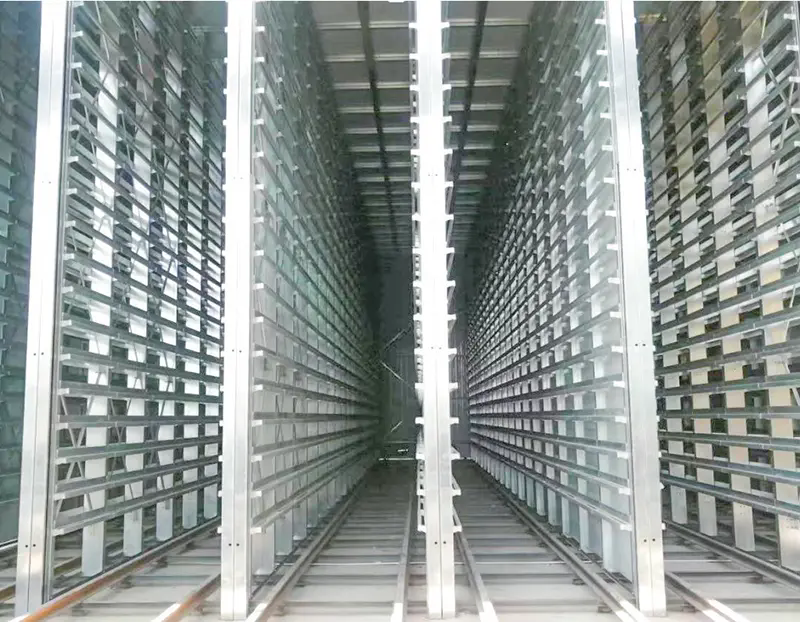
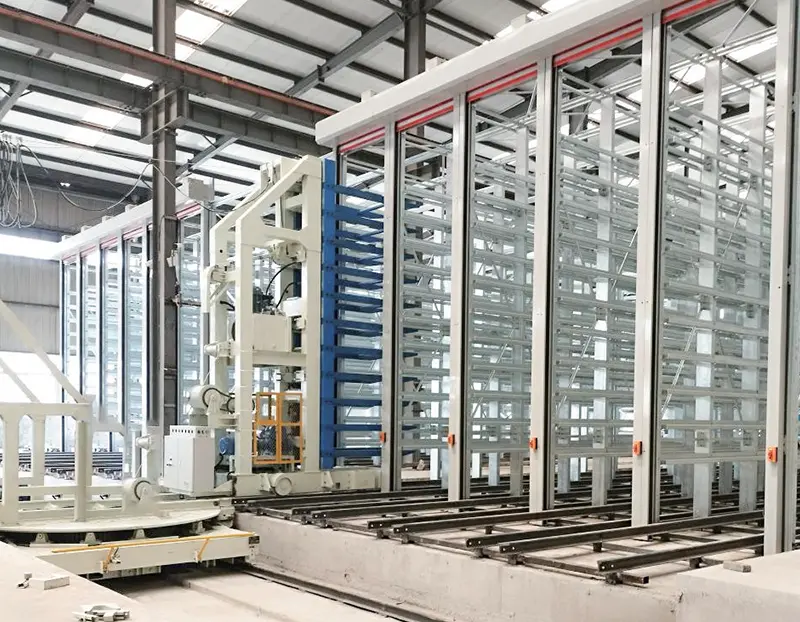
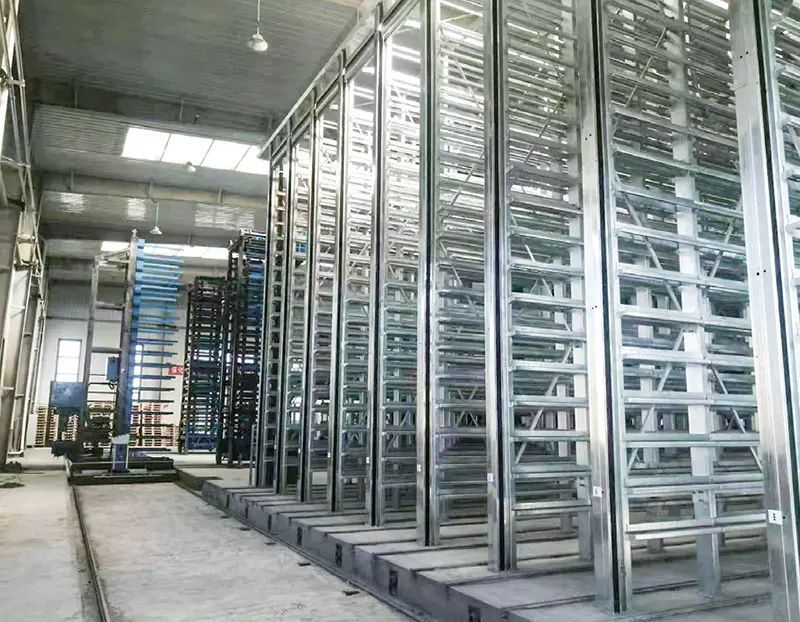
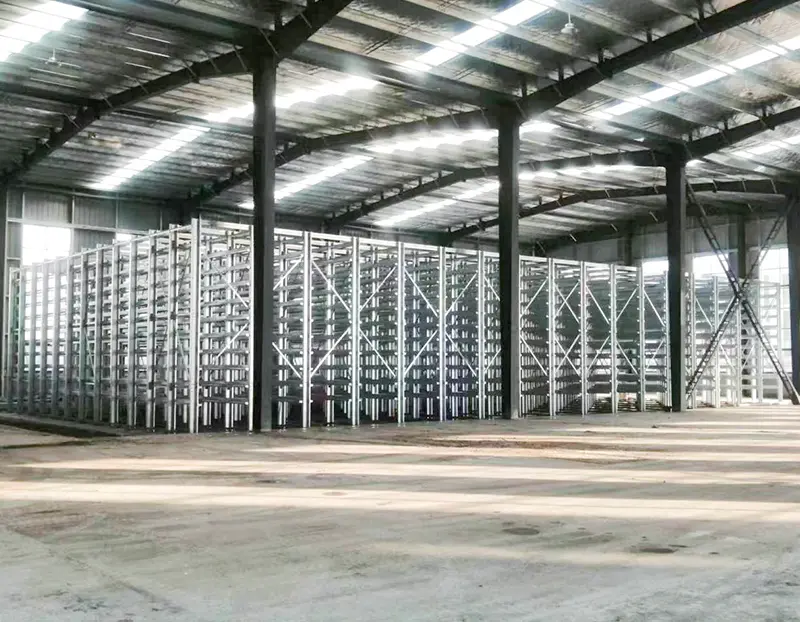
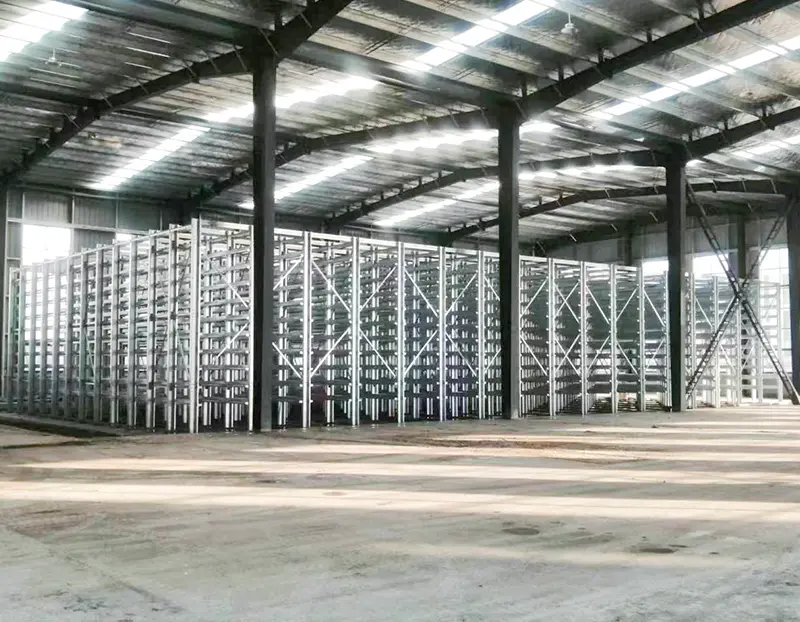
Brick Curing Kiln


Why Is the Curing Kiln Critical for Eco-Friendly Brick Production?

To understand sustainability in brick making, we must look at the curing phase. It’s where raw clay transforms into durable building material. Without an efficient curing kiln, manufacturers face high reject rates and excessive fuel usage. In our factory, we treat the curing kiln as the central nervous system of the plant. It governs not just the quality of the output, but the environmental impact of every brick produced.


1. Lowering Emissions Through Controlled Combustion

A well-designed curing kiln ensures complete combustion of fuels, minimizing unburnt particles and CO2. Our systems incorporate variable air supply controls that adapt to the load. This precision means less fuel burned per brick.


2. Waste Heat Recovery Systems

Modern curing kilns, like those engineered by QUANGONG MACHINERY CO.,LTD, capture exhaust heat and redirect it to dry green bricks. This closed-loop system reduces overall energy demand by up to 35%. We’ve installed these in multiple facilities, and the data proves it: lower operational costs and fewer emissions.


3. Reduction in Raw Material Waste

Consistent temperature and humidity in the curing kiln prevent cracks and deformities. Fewer rejects mean less mining of raw clay. Our factory's design prioritizes uniformity, which directly supports resource conservation.

  • Consistent air flow: Ensures even curing across all bricks.
  • Automated monitoring: Reduces human error and material waste.
  • Modular insulation: Keeps heat inside the kiln, reducing fuel needs.


It's clear that the curing kiln is the gatekeeper of sustainability. Without it, even the best intentions fall flat. That's why our factory emphasizes continuous improvement in kiln design. We're not just selling equipment; we're enabling a greener future for the masonry industry.


How Does Our Curing Kiln Technology Reduce Energy Consumption?

Energy efficiency is the cornerstone of sustainable manufacturing. At QUANGONG MACHINERY CO.,LTD, we’ve engineered our curing kiln to operate on principles of thermodynamics that leave little room for waste. Let’s break down the specific mechanisms our factory integrates into every unit.


Advanced Insulation Materials

We use multi-layer ceramic fiber blankets in our curing kiln walls. These materials have extremely low thermal conductivity, meaning heat stays inside the chamber. Compared to traditional firebrick kilns, our design reduces heat loss by over 40%.


Intelligent PLC Control Systems

Our curing kiln employs a Programmable Logic Controller (PLC) that adjusts burners based on real-time sensor feedback. Instead of running at full capacity constantly, the system modulates flame intensity. This "smart firing" approach saves significant amounts of natural gas or electricity.

  • Cycle optimization: The software calculates the most efficient heating curve for different brick types.
  • Oxygen trimming: Sensors measure exhaust oxygen and adjust air intake to ensure perfect stoichiometric combustion.
  • Peak demand shedding: During high energy tariff periods, the curing kiln can temporarily reduce consumption without affecting quality.

Waste Heat Recovery in Action

One of the standout features we offer is a dedicated heat exchanger. Hot flue gases pass through a series of tubes, preheating the combustion air. This recovered energy is then fed back into the curing kiln. Our factory has documented cases where this alone cut fuel bills by 20% annually. Additionally, our curing kiln is designed to be part of a larger ecosystem. For example, the excess heat can be channeled to dry raw bricks in the adjacent shed, eliminating the need for separate dryers. This integration is something our factory specializes in, ensuring that every joule of energy is utilized twice.


What Technical Parameters Define a High-Performance Curing Kiln?

To truly appreciate how a curing kiln supports sustainability, one must look at the data. Zenith builds its curing kilns with specific metrics that guarantee performance. Below is a detailed table outlining the standard specifications of our flagship model, the QG-CK Series. These numbers reflect why our factory leads in efficient design.


Parameter Specification / Value Sustainability Benefit
Maximum Operating Temperature 1050°C (1922°F) Achieved with high-efficiency burners, reducing firing time by 15%.
Heat Loss Rate (at 900°C) < 22 W/m² Thanks to 300mm thick ceramic fiber insulation; minimizes standby energy loss.
Temperature Uniformity ±5°C across the entire chamber Ensures every brick cures evenly, reducing reject rate to below 1.5%.
Fuel Type Flexibility Natural gas, LPG, Biogas, Diesel Allows use of renewable biogas, lowering fossil fuel dependence.
Waste Heat Recovery Efficiency Up to 78% Preheats combustion air, directly reducing fuel consumption.
Control System PLC with HMI touchscreen, remote monitoring Optimizes firing curves in real-time, eliminating energy overuse.


Beyond the table, our curing kiln also features modular construction. This allows for on-site assembly with minimal disruption. The refractory materials we select are all lead-free and sourced from eco-conscious suppliers. In our factory, we test every curing kiln under full load to validate these parameters before shipping. This commitment to precision means our clients receive a machine that performs exactly as promised, supporting both their production goals and environmental commitments.


Summary: The Sustainable Advantage of a Modern Curing Kiln

Throughout this article, we've established that the curing kiln is not merely a piece of machinery—it is the engine of sustainable brick manufacturing. From reducing energy consumption through intelligent controls and heat recovery to minimizing waste with precise uniformity, the benefits are measurable. At QUANGONG MACHINERY CO.,LTD, our factory's dedication to innovation means that every curing kiln we produce is a tool for environmental stewardship.


The table and parameters shared here are a glimpse into how engineering directly impacts ecology. By choosing an advanced curing kiln, manufacturers can lower their carbon footprint while actually increasing output quality. It's a rare win-win in heavy industry. We believe that the future of brickmaking lies in such smart, efficient technologies. Join the ranks of eco-conscious manufacturers who trust QUANGONG MACHINERY CO.,LTD. Let our factory's advanced curing kiln technology drive your sustainability goals while boosting profitability. Contact us today for a customized energy audit and kiln consultation.


Frequently Asked Questions (FAQ)


1. How does a curing kiln differ from a traditional brick kiln in terms of sustainability?

A traditional brick kiln, like a clamp or intermittent kiln, often releases heat directly into the atmosphere and lacks precise temperature control, leading to high fuel consumption and inconsistent brick quality. A modern curing kiln, such as those from QUANGONG MACHINERY CO.,LTD, is designed with advanced insulation and PLC controls. It maintains a uniform temperature, reducing fuel usage by up to 40%. Additionally, it incorporates heat recovery systems that capture exhaust warmth for other processes, making it fundamentally more sustainable by lowering both energy input and emissions per brick.


2. Can a curing kiln use alternative fuels like biomass to further reduce carbon footprint?

Yes, absolutely. Our curing kiln models are engineered with flexible burner systems that can accommodate a variety of fuels, including biomass-derived syngas, biogas, and even certain processed solid fuels. This adaptability allows brick plants to shift away from coal or heavy oil. By integrating a curing kiln that supports renewable fuels, manufacturers can achieve a carbon-neutral cycle if the biomass is sourced sustainably. Our factory ensures the combustion chamber and air handling systems are optimized for these alternative fuels, maintaining efficiency without compromising on brick strength.


3. What is the typical payback period when upgrading to an energy-efficient curing kiln?

The payback period depends on current energy costs and production volume, but based on data from our factory's installations, most clients see a full return on investment within 18 to 30 months. This is primarily due to the 30-50% reduction in fuel bills and the decrease in rejected bricks. For example, if a plant produces 100,000 bricks daily, the savings from a high-efficiency curing kiln can amount to thousands of dollars per month. Additionally, the reduced maintenance costs of our modern kiln, compared to older refractory-heavy designs, shorten the payback window further.


4. How does temperature uniformity in a curing kiln contribute to less material waste?

Temperature uniformity is critical because bricks cure and vitrify evenly only when the heat distribution is consistent. In traditional kilns, hot spots can cause over-firing (leading to melting or warping), while cold spots result in under-fired, weak bricks. Both scenarios lead to rejects. Our curing kiln, with its strategic burner placement and forced air circulation, maintains a variance of just ±5°C. This precision ensures that over 98% of bricks exiting the kiln are Grade A quality. Less waste means less raw material extracted and less energy wasted on producing unusable inventory.


5. What role does automation play in making the curing process more sustainable?
Automation is the brain of sustainable operation. Our curing kiln utilizes a PLC system that continuously monitors temperature, pressure, and oxygen levels. It automatically adjusts fuel flow and damper positions to maintain the ideal curve. This prevents the common issue of over-firing during the night shift when manual oversight is lower. Furthermore, automated data logging allows plant managers to analyze energy usage patterns and optimize schedules. By removing human error and enabling predictive maintenance, automation ensures the curing kiln always runs at peak eco-efficiency.


Related News
Leave me a message
X
We use cookies to offer you a better browsing experience, analyze site traffic and personalize content. By using this site, you agree to our use of cookies. Privacy Policy
Reject Accept