News

How Does a Fully Automatic Brick Machine Curing Kiln Improve Modern Brick Production?

2026-06-25 0 Leave me a message

The fully automatic brick machine curing kiln has become a cornerstone of modern construction material production, transforming traditional brick manufacturing into a highly efficient, controlled, and scalable process. This article explores how this advanced system works, why it matters in today’s industrial landscape, and how manufacturers can maximize productivity while reducing energy consumption and operational costs. It also addresses common challenges faced by brick producers such as inconsistent curing quality, labor dependency, and production inefficiencies. By the end of this guide, readers will gain a deep understanding of curing kiln technology, its industrial applications, and its long-term value for sustainable production growth.

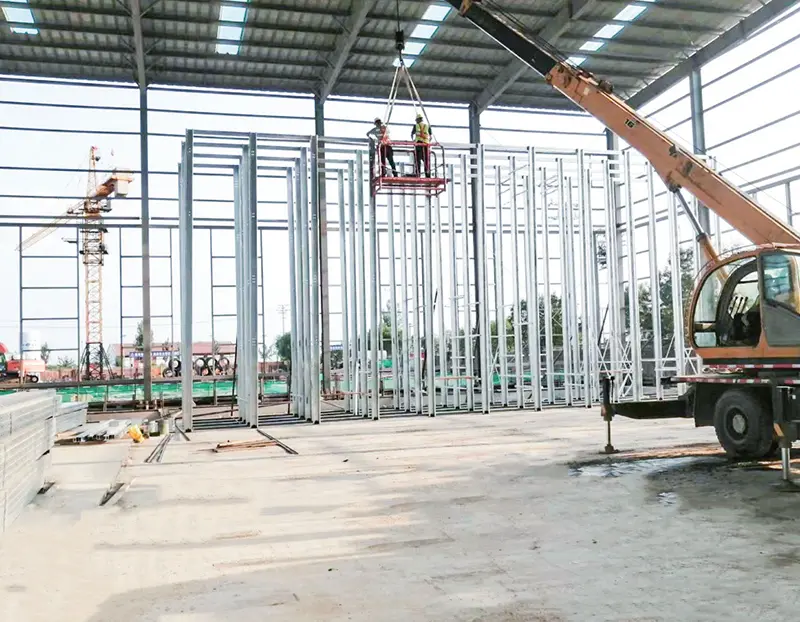
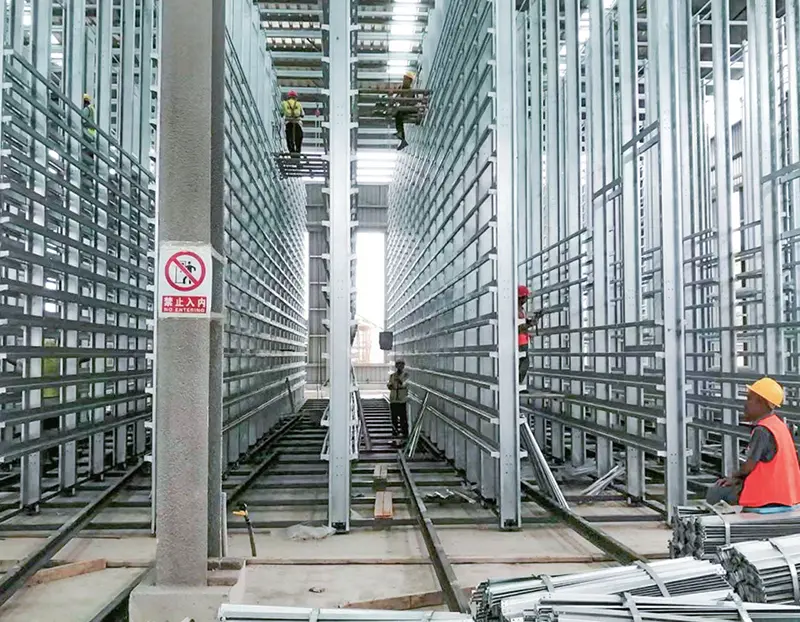
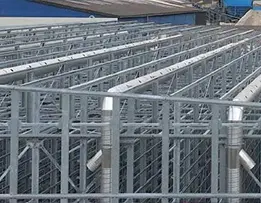
fully automatic brick machine curing kiln


Table of Contents


1. Overview of Fully Automatic Brick Machine Curing Kiln

A fully automatic brick machine curing kiln is an advanced industrial system designed to control the curing process of bricks under precise temperature, humidity, and airflow conditions. Unlike traditional natural curing methods that depend heavily on weather and manual labor, this system ensures consistent quality and continuous production.

In modern construction material factories, automation has become essential. The curing kiln acts as the critical middle stage between brick forming and final product readiness, ensuring strength development and durability enhancement.


2. Working Principle

The curing kiln operates on a controlled environmental system that regulates heat, moisture, and airflow to accelerate the hydration process of cement-based bricks.

Key operational steps include:

  • Brick loading into kiln chambers via automatic conveyor systems
  • Controlled humidity injection to support hydration reactions
  • Temperature regulation to ensure optimal curing conditions
  • Air circulation for uniform curing across all brick layers
  • Automated unloading after curing cycle completion

The system ensures that every brick receives identical curing conditions, eliminating inconsistencies common in manual processes.


3. Key System Components

A fully automatic curing kiln integrates multiple mechanical and electronic systems working together seamlessly.

Component Function
Control System (PLC) Automates temperature, humidity, and timing operations
Conveyor System Transfers bricks into and out of kiln chambers
Heating Unit Provides stable thermal energy for curing
Humidity Generator Maintains optimal moisture levels
Insulation Structure Reduces heat loss and improves energy efficiency
Sensors Monitor real-time environmental conditions

4. Types of Curing Kilns

Different production needs require different kiln configurations. The most common types include:

  • Tunnel Curing Kiln: Ideal for continuous mass production lines
  • Chamber Curing Kiln: Suitable for small to medium factories
  • Stacked Multi-layer Kiln: Maximizes space utilization
  • Hybrid Smart Kiln: Integrates IoT monitoring and AI control systems

Each type offers unique advantages depending on factory size, production capacity, and automation level.


5. Major Benefits

The adoption of fully automatic brick curing kilns significantly improves production efficiency and product quality.

  • Consistent brick strength and durability
  • Reduced labor dependency
  • Faster production cycles
  • Lower defect rates
  • Improved energy efficiency
  • Stable year-round production regardless of climate

These advantages make the system indispensable for large-scale modern brick manufacturing plants.


6. Production Workflow Integration

The curing kiln is not an isolated machine; it is part of a fully automated brick production line. It integrates seamlessly with:

  • Brick forming machines
  • Batching and mixing systems
  • Stacking robots
  • Palletizing systems
  • Packaging equipment

This integration ensures continuous production flow, reducing downtime and maximizing output efficiency.


7. Energy Efficiency and Sustainability

Modern curing kilns are designed with energy conservation in mind. Heat recovery systems, insulation materials, and smart control systems significantly reduce energy consumption.

Many factories are shifting toward environmentally friendly production by adopting kilns that minimize CO₂ emissions and optimize resource utilization.


8. Maintenance and Operational Stability

Regular maintenance ensures long-term stability and performance of curing kilns.

  • Daily sensor calibration checks
  • Monthly lubrication of mechanical parts
  • Inspection of heating systems
  • Software updates for control systems
  • Cleaning of airflow channels

Proper maintenance reduces unexpected downtime and extends equipment lifespan.


9. Common Challenges and Solutions

Challenge 1: Temperature fluctuations

Solution: Advanced PLC systems and real-time sensor feedback stabilize conditions.

Challenge 2: Uneven curing

Solution: Improved airflow circulation design ensures uniform heat distribution.

Challenge 3: High energy consumption

Solution: Heat recovery systems and insulation upgrades reduce energy loss.


10. Industrial Applications

Fully automatic brick curing kilns are widely used in:

  • Construction material manufacturing plants
  • Large-scale infrastructure projects
  • Urban development material supply chains
  • Eco-friendly building material production

Their flexibility makes them suitable for both small factories and large industrial complexes.


11. Future Development Trends

The future of curing kiln technology is moving toward intelligent automation and digital monitoring systems. Emerging trends include:

  • AI-driven process optimization
  • IoT-based remote monitoring
  • Energy self-regulating systems
  • Fully unmanned production lines

These advancements will further enhance productivity while reducing operational costs.


FAQ

Q1: What is the main purpose of a curing kiln?
It is used to provide controlled temperature and humidity conditions for proper brick curing and strength development.

Q2: How long does the curing process take?
Depending on the material, it typically ranges from several hours to a few days under automated control.

Q3: Is automation necessary in brick curing?
Yes, automation ensures consistency, reduces labor costs, and improves production efficiency.

Q4: Can small factories use this system?
Yes, modular designs allow both small and large-scale applications.

Q5: What is the biggest advantage over traditional curing?
The biggest advantage is environmental control, which guarantees uniform product quality.


Conclusion

The fully automatic brick machine curing kiln represents a major advancement in modern construction material production. By combining automation, precision control, and energy efficiency, it solves many long-standing challenges in traditional brick curing methods. Manufacturers adopting this technology benefit from higher productivity, reduced costs, and improved product consistency.

As industrial automation continues to evolve, curing kiln systems will play an even more important role in shaping the future of intelligent manufacturing.

For advanced solutions in brick production equipment, QUANGONG MACHINERY CO.,LTD provides reliable and high-performance systems tailored to modern industrial needs. If you are looking to upgrade your production line or explore customized solutions, feel free to contact us for more professional support and cooperation opportunities.

Related News
Leave me a message
X
We use cookies to offer you a better browsing experience, analyze site traffic and personalize content. By using this site, you agree to our use of cookies.Privacy Policy
RejectAccept