News

What Is a Brick Making Machinery Maintenance Room and Why Does It Matter?

2026-09-28 0 Leave me a message

A brick production line is expected to operate continuously, but continuous production does not mean that equipment can operate without attention. Vibration systems, hydraulic units, molds, conveyors, electrical controls, material feeding systems and other components all require inspection, adjustment, cleaning and replacement of wear parts.

A Brick Making Machinery Maintenance Room provides a dedicated working area where maintenance personnel can inspect equipment components, organize spare parts, perform repairs and prepare machinery for stable operation. Instead of treating maintenance as an emergency response after a breakdown, manufacturers can use this dedicated space as part of a structured equipment-care system.

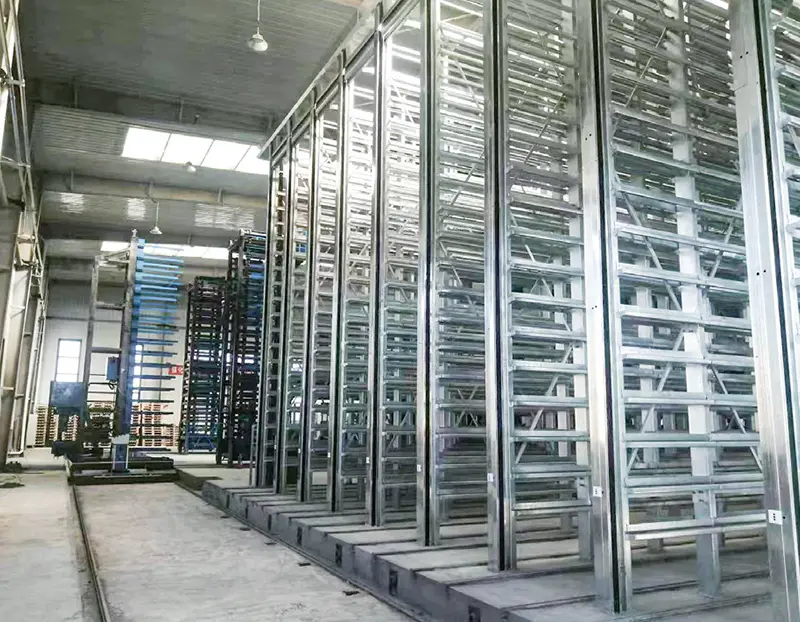
Brick Making Machinery Maintenance Room

This guide explains the role of a Brick Making Machinery Maintenance Room in modern brick and concrete block production. It covers common maintenance problems, essential facilities, maintenance workflows, spare-parts management, safety considerations, preventive inspection schedules and the relationship between maintenance efficiency and production stability. The article also explains how manufacturers such as QUANGONG MACHINERY CO.,LTD approach integrated brick-making equipment and production-line solutions.

Article Outline

The article follows a practical path from understanding the purpose of a maintenance room to establishing an effective maintenance system. It focuses on the problems production managers commonly face, including unexpected downtime, difficult troubleshooting, missing spare parts, unsafe repair conditions and repeated equipment failures.

  • Define the purpose of a Brick Making Machinery Maintenance Room.
  • Identify the main causes of maintenance-related production problems.
  • Explain the facilities required for efficient equipment servicing.
  • Build a practical inspection and repair workflow.
  • Establish preventive maintenance and spare-parts practices.
  • Connect maintenance activities with production quality and equipment life.
  • Explain how professional machinery manufacturers can support long-term operation.

Understanding the Maintenance Room

A Brick Making Machinery Maintenance Room is more than a simple workshop. It is a dedicated service area associated with a brick or concrete block manufacturing facility. Its purpose is to provide the tools, spare parts, documentation and working conditions needed to maintain production equipment.

Depending on the scale of the factory, the room may support maintenance of the main block or brick molding machine as well as auxiliary equipment such as conveyors, mixers, pallet systems, material feeding equipment, hydraulic components, electrical cabinets and curing-related systems.

A properly planned maintenance room helps separate repair activities from the main production area. This can make troubleshooting more organized and prevent tools, lubricants, replacement components and dismantled parts from being scattered around the production line.

Key principle: Maintenance should be treated as part of production management rather than something that only happens after a machine stops.

Why Does a Dedicated Maintenance Area Matter?

Brick production often involves heavy loads, repeated vibration, hydraulic pressure and continuous material movement. Even when a machine is designed for reliable operation, normal wear is unavoidable. The real challenge is identifying developing problems before they become production-stopping failures.

1. Faster Troubleshooting

When tools and replacement components are stored in known locations, maintenance personnel can respond more quickly. A designated work area also provides enough space to inspect components without interfering with production operations.

2. Better Equipment Organization

Maintenance becomes difficult when spare parts are mixed together or when used components are not properly identified. A structured maintenance room can use labeled storage for hydraulic parts, electrical components, sensors, fasteners, lubrication supplies and frequently replaced wear parts.

3. Reduced Unplanned Downtime

Preventive inspections can identify abnormal vibration, hydraulic leakage, loose connections, worn molds or damaged components before they cause a major stoppage.

4. Longer Equipment Service Life

Cleaning, lubrication, correct adjustment and timely replacement can reduce unnecessary stress on machinery. Maintenance does not eliminate wear, but it can help prevent small problems from developing into larger mechanical failures.

Common Maintenance Problems in Brick Production

Production managers frequently encounter similar maintenance challenges. Recognizing these problems can help factories create a more practical maintenance system.

Common Problem Possible Consequence Practical Response
Hydraulic leakage Reduced machine performance and unexpected stoppage Inspect seals, hoses, fittings and hydraulic pressure regularly
Excessive vibration Component wear, unstable forming and mechanical stress Check vibration components, fasteners, bearings and alignment
Mold wear Dimensional variation and lower product consistency Inspect mold surfaces and replace or service worn components
Electrical connection problems Control errors or machine interruption Check wiring, terminals, sensors and control components
Poor lubrication Increased friction and premature component wear Follow equipment-specific lubrication requirements
Missing spare parts Longer repair time Maintain minimum stock levels for critical components

Essential Facilities in a Brick Making Machinery Maintenance Room

The exact layout depends on the production line, machine configuration and maintenance workload. However, several facilities are useful for most brick and concrete block manufacturing plants.

Workbenches and Assembly Space

A sturdy workbench gives technicians a stable surface for inspecting small components, electrical parts and mechanical assemblies. Adequate working space is especially important when components must be disassembled and compared with replacement parts.

Spare Parts Storage

Storage should be divided into clearly labeled categories. Frequently used parts should be easy to access, while sensitive electrical or electronic components should be protected from dust, moisture and unnecessary handling.

Tools and Measuring Equipment

Maintenance personnel may require hand tools, torque tools, electrical testing equipment, measurement instruments and other equipment appropriate to the machinery. The objective is not to fill the room with unnecessary tools, but to make essential tools available when they are required.

Cleaning and Lubrication Area

Cleaning supplies and lubrication equipment should have designated storage locations. Used oil, contaminated materials and other maintenance waste should also be handled according to applicable local requirements.

Technical Documentation

Equipment manuals, maintenance schedules, component lists, electrical diagrams and troubleshooting records should be easy for authorized personnel to access. Accurate documentation can significantly reduce diagnostic time.

A Practical Maintenance Workflow

A maintenance room becomes most valuable when it supports a consistent workflow rather than simply serving as a storage space.

  1. Identify the problem: Record the machine, component, symptoms and production conditions when the problem occurred.
  2. Make the equipment safe: Follow the plant's shutdown and isolation procedures before inspection or repair.
  3. Inspect the relevant components: Check mechanical, hydraulic, electrical and control-related causes as appropriate.
  4. Repair or replace: Use suitable components and follow the equipment manufacturer's technical requirements.
  5. Test the equipment: Confirm that the repaired system operates correctly before returning it to normal production.
  6. Record the maintenance: Document the cause, action taken, replaced parts and observations for future reference.

This final step is often overlooked. Maintenance records create a history of recurring failures and can help production managers identify components that require more frequent inspection or replacement.

Preventive Maintenance Schedule

Preventive maintenance should be adapted to the manufacturer's instructions, machine operating conditions, production intensity and component requirements. A general framework can be organized as follows:

Frequency Recommended Focus
Every shift Visual inspection, abnormal noise, leakage, cleanliness, loose components and basic operating conditions
Weekly Lubrication checks, fastener inspection, sensors, conveyors and accessible wear components
Monthly Hydraulic system inspection, electrical connections, vibration components, molds and safety devices
Periodically Detailed inspection, replacement of wear parts and comprehensive equipment condition assessment
Before major production periods Full readiness inspection and confirmation of critical spare-parts availability

These intervals are a planning framework rather than a universal replacement schedule. The actual maintenance interval should always follow the machine manufacturer's instructions and the operating environment.

How Does Spare Parts Management Improve Maintenance?

A production line can remain idle even when the technical problem itself is relatively simple if the required replacement component is unavailable. For this reason, spare-parts management should be closely connected with the maintenance room.

  • Classify parts: Separate critical components, frequently replaced wear parts and low-frequency spare parts.
  • Label everything: Record part numbers and compatible equipment clearly.
  • Monitor stock: Establish minimum quantities for critical components.
  • Protect sensitive parts: Keep electrical and electronic components in suitable conditions.
  • Track usage: Record when important components are installed or replaced.
  • Review recurring failures: Frequent replacement may indicate an underlying operating or adjustment issue.
Practical tip: Do not judge spare-parts requirements only by purchase price. A low-cost component that stops an entire production line can create a much larger operational cost through lost production time.

Safety and Organization in the Maintenance Room

Maintenance involves mechanical movement, electrical systems, hydraulic pressure, heavy components and tools. A maintenance room therefore needs clear safety procedures as well as good organization.

  • Keep walkways and emergency access areas clear.
  • Store heavy components securely to prevent falling hazards.
  • Use suitable personal protective equipment for maintenance tasks.
  • Follow equipment shutdown and energy-isolation procedures.
  • Keep electrical and mechanical maintenance tools organized.
  • Clean oil, dust and debris promptly.
  • Clearly identify damaged or quarantined components.
  • Allow only trained and authorized personnel to perform specialized maintenance.

Good organization also improves maintenance quality. When every tool and component has a defined location, technicians spend less time searching and more time solving the actual equipment problem.

How Does Maintenance Support Stable Brick Production?

Maintenance quality directly affects more than machine availability. It can influence the consistency of the entire production process. A brick-making line typically depends on coordinated stages such as material preparation, mixing, feeding, molding, conveying, handling and curing.

If one stage becomes unstable, downstream operations may also be affected. For example, inconsistent vibration or mold condition can contribute to product variation, while conveyor problems can interrupt material flow and create bottlenecks.

A useful maintenance objective is therefore not simply “fix the machine.”

The broader objective is to maintain the production conditions required for consistent, safe and efficient manufacturing.

This is particularly important for automated production lines. As automation increases, individual systems become more interconnected. A small sensor, actuator or control problem may affect several production stages. Organized maintenance and accurate troubleshooting records become increasingly valuable in such environments.

How Can Equipment Manufacturers Support Long-Term Maintenance?

Equipment maintenance begins with the design of the machinery itself. Clear component layouts, reliable control systems, accessible maintenance points and appropriate documentation can make long-term servicing easier.

QUANGONG MACHINERY CO.,LTD, also known as QGM, has been involved in the research, manufacturing and supply of concrete block and brick-making machinery since 1979. Its product range covers automatic block machines, brick-making machines, production lines, molds, mixers and auxiliary equipment. The company also provides technical and production-related services for concrete product manufacturers.

For a production plant, selecting machinery should therefore involve more than comparing initial equipment specifications. Buyers should also consider the availability of technical documentation, spare parts, maintenance support, operator training and long-term service resources.

Questions Buyers Should Ask Before Purchasing Equipment

  • Which components require regular inspection?
  • Which parts are considered normal wear parts?
  • How frequently should critical systems be serviced?
  • Are maintenance manuals and technical drawings available?
  • How can spare parts be ordered?
  • What training is available for operators and maintenance personnel?
  • Which maintenance tasks can be handled internally?
  • Which tasks require qualified technical support?

Asking these questions before installation can help factories prepare their maintenance room, spare-parts inventory and maintenance team in advance rather than building the system after the first major breakdown.

Frequently Asked Questions

What is the main purpose of a Brick Making Machinery Maintenance Room?

Its main purpose is to provide an organized area for equipment inspection, repair, spare-parts storage, tool management and maintenance preparation. It helps maintenance personnel respond to problems systematically.

Does every brick factory need a dedicated maintenance room?

The required size and configuration depend on the production line, equipment quantity and maintenance workload. Larger automated plants generally benefit from a dedicated maintenance area, while smaller facilities may use a compact workshop with appropriate storage and tools.

Which equipment should be checked regularly?

Maintenance should cover the systems specified by the equipment manufacturer, including mechanical components, hydraulic systems, vibration systems, molds, conveyors, sensors, electrical connections and other relevant components.

How can maintenance reduce unexpected downtime?

Regular inspections can identify wear, leakage, abnormal vibration, loose connections and other early warning signs. Maintaining critical spare parts and keeping repair procedures organized can also shorten response time when a problem occurs.

Should spare parts be stored inside the maintenance room?

Frequently used and maintenance-critical parts can be stored in or near the maintenance area when suitable storage conditions are available. Sensitive components should be protected from dust, moisture and other environmental risks.

Can a maintenance room improve product quality?

It can contribute indirectly by helping keep production equipment in stable operating condition. Proper mold condition, consistent vibration, reliable material handling and correctly adjusted machinery can support more consistent brick and block production.

What should be prepared before installing a new brick production line?

The factory should prepare trained personnel, suitable tools, maintenance documentation, critical spare parts, safe access areas and a clear maintenance procedure. Planning these resources before commissioning can make future servicing more efficient.

Conclusion

A Brick Making Machinery Maintenance Room is a practical part of a well-managed brick or concrete block production facility. Its value comes from combining organized tools, spare parts, technical information and maintenance procedures in one controlled working environment.

The most effective approach is to move from reactive repairs toward planned inspection and preventive maintenance. By monitoring critical components, recording maintenance history, keeping essential spare parts available and following manufacturer recommendations, production teams can respond to equipment issues more systematically.

For buyers planning a new brick production line, maintenance should be considered from the beginning of the project. Equipment configuration, technical support, spare-parts availability and operator training can all influence the long-term operating experience.

Build a More Reliable Brick Production System

Looking for brick-making machinery, complete production-line solutions or technical support for your concrete product manufacturing project? QUANGONG MACHINERY CO.,LTD can provide equipment and integrated solutions based on different production requirements. Contact us to discuss your project, equipment configuration and long-term production needs.

Related News
Leave me a message
X
We use cookies to offer you a better browsing experience, analyze site traffic and personalize content. By using this site, you agree to our use of cookies. Privacy Policy
RejectAccept