News

How Does a Steel Structure Curing Kiln Improve Production Efficiency and Product Quality?

2026-08-13 0 Leave me a message

A Steel Structure Curing Kiln plays a vital role in modern industrial production by providing a controlled environment for curing concrete products, construction materials, and various prefabricated components. This article explains how steel structure curing kilns solve common production challenges, improve curing consistency, reduce operational costs, and help manufacturers achieve higher-quality output. From structural design advantages to energy efficiency and maintenance considerations, this guide provides practical insights for businesses looking for reliable curing solutions.

Steel Structure Curing Kiln


Table of Contents


1. What Is a Steel Structure Curing Kiln?

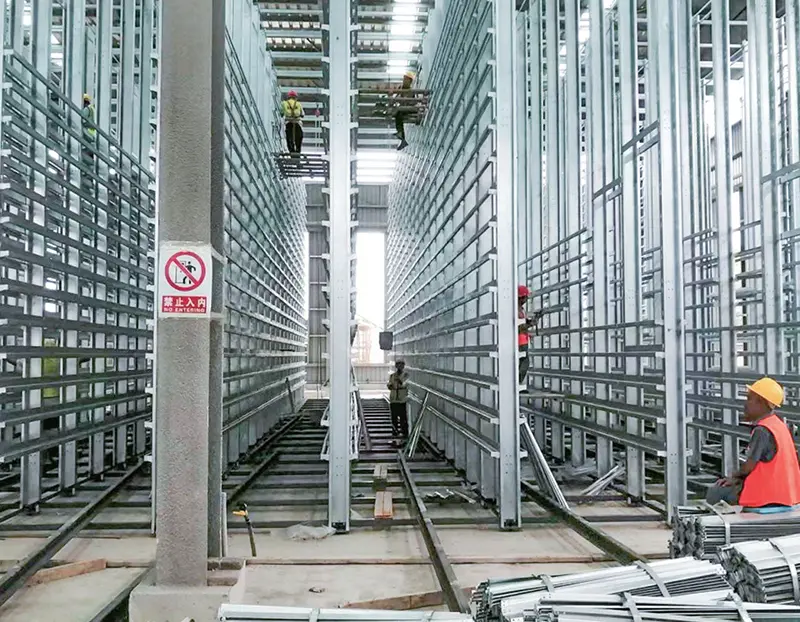
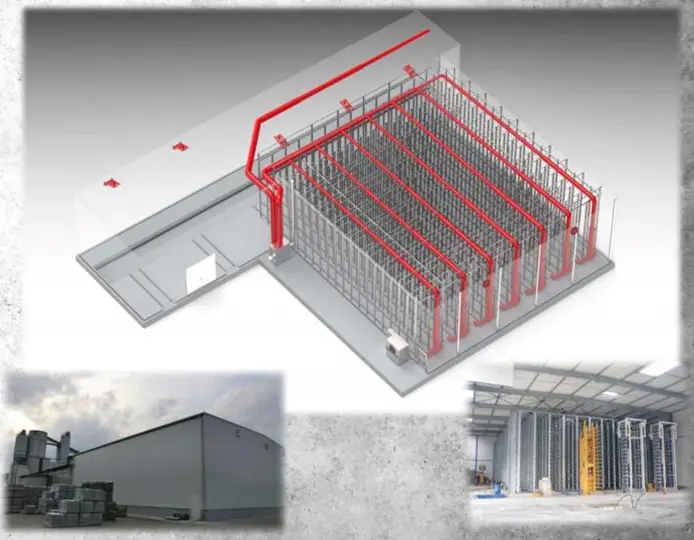
A Steel Structure Curing Kiln is an industrial curing facility designed with a strong steel framework and insulation system to create a stable temperature and humidity environment for material curing processes. It is widely used in industries that manufacture concrete blocks, precast concrete components, cement products, lightweight wall panels, bricks, and other construction materials.

Unlike open-air curing methods that depend heavily on weather conditions, a steel structure curing kiln allows manufacturers to control curing parameters accurately. By maintaining suitable heat, moisture, and airflow conditions, the kiln accelerates material strength development while reducing defects caused by uneven curing.

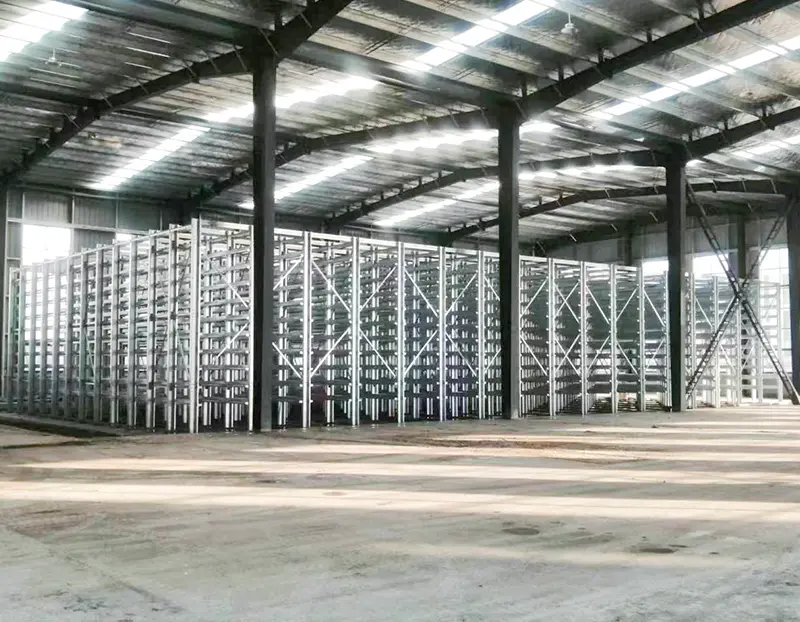
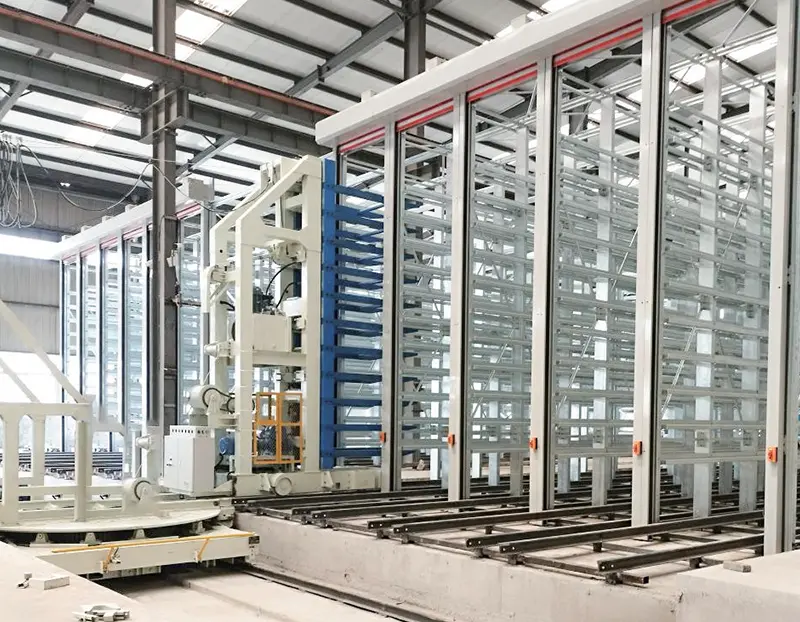
The steel structure design provides excellent durability, allowing the equipment to operate under demanding industrial conditions. The combination of a rigid frame, insulated panels, heating system, ventilation system, and intelligent control technology makes it an efficient solution for large-scale production facilities.


2. Why Is a Steel Structure Curing Kiln Important for Industrial Production?

In construction material manufacturing, curing quality directly affects product strength, appearance, durability, and customer satisfaction. Many manufacturers face challenges such as inconsistent product quality, long curing cycles, high labor costs, and production delays. A professional curing kiln helps overcome these difficulties by creating a controlled production environment.

The importance of a steel structure curing kiln can be reflected in several key areas:

Production Challenge How a Steel Structure Curing Kiln Helps
Unstable curing conditions Provides accurate temperature and humidity control for consistent results.
Slow production cycles Accelerates curing speed and improves production capacity.
High labor requirements Reduces manual monitoring through automated control systems.
Material waste caused by defects Improves product strength and minimizes quality problems.
Seasonal production limitations Allows stable operation regardless of external weather changes.

For manufacturers seeking long-term competitiveness, investing in an efficient curing system is not only an equipment upgrade but also a strategy to improve production reliability and profitability.


3. What Production Problems Can a Steel Structure Curing Kiln Solve?

Many factories experience difficulties when using traditional curing methods. These issues can influence delivery schedules, production costs, and product performance. A steel structure curing kiln provides targeted solutions for these common problems.

3.1 Inconsistent Product Strength

Without controlled curing conditions, different products may receive different levels of heat and moisture exposure. This can lead to uneven strength, cracks, deformation, or reduced durability.

A steel structure curing kiln maintains stable environmental conditions, ensuring every batch receives the same curing treatment. This improves product consistency and helps manufacturers meet strict quality requirements.

3.2 Low Production Efficiency

Traditional curing methods often require long waiting periods before products reach the required strength. Limited curing speed can restrict factory output and increase inventory pressure.

By optimizing temperature circulation and humidity management, a curing kiln shortens curing time and allows manufacturers to complete more production cycles within the same period.

3.3 High Energy Consumption

Poorly designed curing areas often lose heat quickly, causing unnecessary energy waste. Modern steel structure curing kilns use insulation materials and efficient heating systems to reduce heat loss and improve energy utilization.

3.4 Difficult Operation Management

Manual monitoring of curing environments requires additional workers and may result in human errors. Advanced curing kilns can integrate automatic temperature control, monitoring systems, and adjustable operating programs to simplify management.


4. What Are the Key Features of a High-Performance Steel Structure Curing Kiln?

A reliable steel structure curing kiln should combine structural strength, thermal performance, operational convenience, and long service life. The following features are essential for industrial users:

Feature Industrial Benefit
Strong steel framework Provides stability and resistance to long-term industrial use.
High-quality insulation panels Reduces heat loss and improves energy efficiency.
Automatic control system Enables precise adjustment of curing conditions.
Uniform air circulation Ensures consistent curing results throughout the kiln.
Modular structure design Makes installation, expansion, and maintenance easier.
Durable components Reduces downtime and extends service life.

5. How Does a Steel Structure Curing Kiln Work?

The working principle of a steel structure curing kiln is based on creating an optimized environment that supports chemical reactions and moisture retention during the curing process. Although designs may vary depending on applications, most systems operate through several important stages.

  • Loading Stage: Products are placed inside the curing chamber according to production requirements.
  • Heating Stage: The heating system increases the internal temperature gradually to reach the required curing condition.
  • Humidity Control Stage: Moisture levels are maintained to prevent excessive drying and improve material hydration.
  • Curing Stage: Products remain inside the controlled environment until they achieve the desired strength.
  • Cooling Stage: Temperature decreases gradually before products are removed from the kiln.

Through this controlled process, manufacturers can achieve better product performance while reducing quality fluctuations caused by environmental changes.


6. Steel Structure Curing Kiln vs Traditional Curing Methods

Comparison Factor Steel Structure Curing Kiln Traditional Curing Method
Environmental Control Precise temperature and humidity management Depends on weather and manual adjustment
Production Speed Faster curing cycles Usually slower
Product Quality Higher consistency More variation between batches
Energy Efficiency Designed for heat retention Higher energy loss risk
Factory Management Supports automation Requires more manual operation

7. How to Choose the Right Steel Structure Curing Kiln?

Selecting the right Steel Structure Curing Kiln requires careful consideration of production requirements, factory conditions, energy consumption, and future expansion plans. A suitable curing solution should not only meet current production needs but also provide reliable performance for long-term operation.

Before purchasing a curing kiln, manufacturers should evaluate the following factors:

  • Production Capacity: The kiln size and internal layout should match the daily output requirements of the factory. An oversized system may increase unnecessary investment, while an undersized system may limit production efficiency.
  • Material Type and Curing Requirements: Different products require different temperature, humidity, and curing times. The kiln design should be customized according to the specific materials being processed.
  • Energy Efficiency: High-quality insulation, efficient heating systems, and intelligent control technology can significantly reduce long-term operating costs.
  • Automation Level: Modern factories often require automated monitoring and adjustment systems to improve production accuracy and reduce labor dependence.
  • Installation Environment: Available factory space, climate conditions, and transportation requirements should be considered before installation.
  • After-Sales Support: Reliable technical assistance and maintenance services are important for ensuring stable operation over the equipment lifecycle.

A professional manufacturer can help customers analyze their production process and recommend a curing kiln configuration that delivers the best balance between investment cost and production performance.


Important Factors Before Investing in a Steel Structure Curing Kiln

Factor Why It Matters
Chamber Design A well-designed chamber improves airflow distribution and curing uniformity.
Insulation Performance Better insulation reduces heat loss and lowers energy expenses.
Control System Advanced controls improve accuracy and simplify daily operation.
Construction Quality Strong materials ensure long service life under industrial conditions.
Customization Capability Flexible designs allow the kiln to adapt to different factory requirements.

8. Maintenance Tips for Long-Term Performance

Regular maintenance is essential for keeping a Steel Structure Curing Kiln operating efficiently. Even high-quality equipment requires proper inspection and care to maintain stable performance.

8.1 Inspect the Steel Structure Regularly

The steel framework provides the foundation of the curing kiln. Regular inspections should be conducted to check for corrosion, loose connections, or structural damage. Early detection helps prevent larger repair costs in the future.

8.2 Maintain Insulation Performance

Damaged insulation panels can cause heat leakage and increase energy consumption. Manufacturers should regularly inspect insulation materials and repair damaged areas immediately.

8.3 Check Heating and Ventilation Systems

Heating elements, fans, and airflow channels should be cleaned and tested regularly. Proper maintenance ensures stable temperature distribution and prevents uneven curing.

8.4 Calibrate Control Equipment

Temperature sensors and automatic control systems should be checked periodically. Accurate monitoring is essential for maintaining consistent curing conditions.

8.5 Keep Operating Records

Recording temperature settings, curing cycles, maintenance activities, and production results helps identify potential issues and optimize future operations.


How Does Proper Maintenance Reduce Operating Costs?

Maintenance Action Cost-Saving Benefit
Regular insulation inspection Reduces unnecessary energy consumption.
Equipment cleaning Improves system efficiency and reduces failures.
Control system calibration Prevents product quality problems caused by incorrect settings.
Structural inspection Extends equipment service life.

9. How Does a Steel Structure Curing Kiln Support Sustainable Manufacturing?

Modern manufacturers are increasingly focused on improving efficiency while reducing environmental impact. A Steel Structure Curing Kiln supports sustainable production by optimizing energy usage, reducing material waste, and improving product quality.

Because curing conditions are precisely controlled, manufacturers can reduce defective products caused by improper curing. Fewer rejected products mean lower material waste and improved resource utilization.

In addition, energy-saving insulation designs and intelligent control systems help reduce unnecessary heating consumption. This allows factories to achieve better production results while maintaining responsible energy management.

For companies producing construction materials on a large scale, upgrading from traditional curing areas to advanced steel structure curing solutions can become an important step toward more efficient manufacturing.


Why Do Manufacturers Prefer Professional Steel Structure Curing Kiln Suppliers?

Choosing an experienced supplier is just as important as selecting the equipment itself. Professional manufacturers understand that every factory has different production requirements, and they provide customized solutions rather than standard products only.

A reliable supplier should offer:

  • Professional engineering design support
  • Customized kiln dimensions and configurations
  • High-quality structural materials
  • Efficient production and installation guidance
  • Technical consultation and long-term service support

With years of experience in industrial equipment manufacturing, QUANGONG MACHINERY CO.,LTD focuses on providing practical curing solutions designed to help customers improve production efficiency, product quality, and operational stability.


Frequently Asked Questions About Steel Structure Curing Kiln

FAQ 1: What products can be processed in a Steel Structure Curing Kiln?

A Steel Structure Curing Kiln is commonly used for concrete blocks, precast concrete components, cement products, wall panels, bricks, and other construction materials requiring controlled curing environments.

FAQ 2: How does a curing kiln improve product quality?

The kiln maintains stable temperature and humidity conditions, allowing materials to cure evenly. This reduces cracks, deformation, and strength variations between different production batches.

FAQ 3: Is a Steel Structure Curing Kiln energy efficient?

Yes. Modern curing kilns use insulation materials, optimized heating systems, and intelligent controls to reduce heat loss and improve energy utilization compared with traditional curing methods.

FAQ 4: Can a Steel Structure Curing Kiln be customized?

Yes. Professional suppliers can customize kiln size, heating methods, control systems, and internal layouts according to production capacity, factory space, and product requirements.

FAQ 5: What factors affect the service life of a curing kiln?

Material quality, installation standards, operating conditions, and regular maintenance all influence the service life of a curing kiln. Proper maintenance can significantly extend equipment performance.


Conclusion: Why Is a Steel Structure Curing Kiln a Smart Investment?

A Steel Structure Curing Kiln provides manufacturers with a reliable way to improve production efficiency, maintain consistent product quality, and reduce operating challenges. By creating a controlled curing environment, it solves many problems associated with traditional curing methods, including unstable quality, slow production speed, and high energy consumption.

For companies looking to modernize their manufacturing process, selecting a durable and efficient curing solution can create long-term value. A properly designed kiln not only improves current production performance but also supports future business growth.

QUANGONG MACHINERY CO.,LTD is committed to delivering advanced industrial solutions that help manufacturers achieve stable, efficient, and high-quality production. With professional technology, reliable equipment, and customer-focused service, the company provides customized solutions for different production needs.

Contact Us for a Professional Steel Structure Curing Kiln Solution

If you are searching for a reliable Steel Structure Curing Kiln to improve production efficiency, reduce costs, and enhance product quality, QUANGONG MACHINERY CO.,LTD can provide professional support and customized solutions. Contact us today to discuss your project requirements and discover the right curing technology for your factory.

Related News
Leave me a message
X
We use cookies to offer you a better browsing experience, analyze site traffic and personalize content. By using this site, you agree to our use of cookies.Privacy Policy
RejectAccept