News

How to Choose the Right Curing Kiln for Precast Concrete Operations?

2026-02-26 0 Leave me a message

In modern precast concrete manufacturing, curing is not just a technical stage but a decisive factor that determines product strength, dimensional stability, surface quality, and delivery speed. Choosing the right Curing Kiln directly affects production efficiency, energy consumption, and long-term operational costs. For manufacturers aiming to scale operations or improve product consistency, the right equipment becomes a strategic investment rather than a simple purchase decision.


So, how to choose the right Curing Kiln for precast concrete operations? The answer lies in understanding production capacity requirements, temperature and humidity control accuracy, structural design, energy efficiency, automation level, and compatibility with existing production lines. At Quangong Machinery Co., Ltd., we design solutions that align with real-world plant conditions, helping clients balance productivity and cost control while ensuring stable curing performance over time.


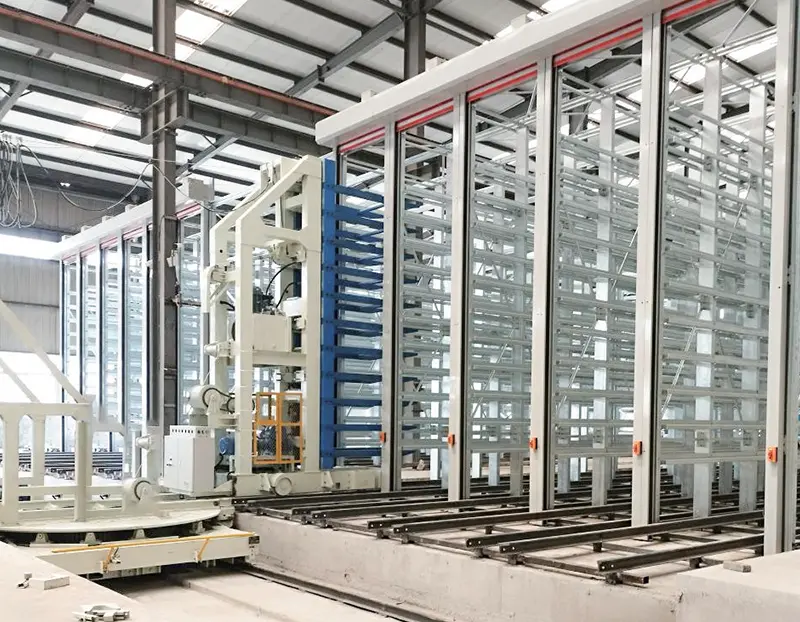
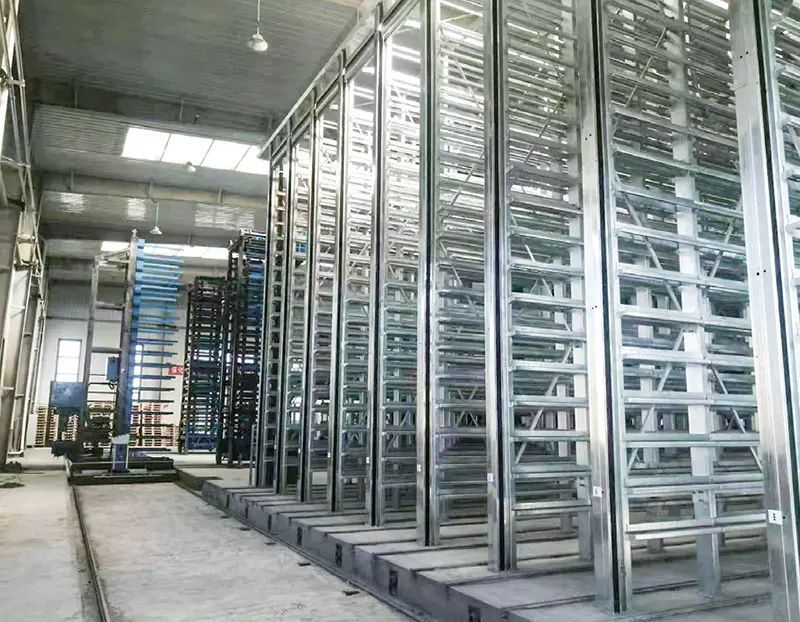
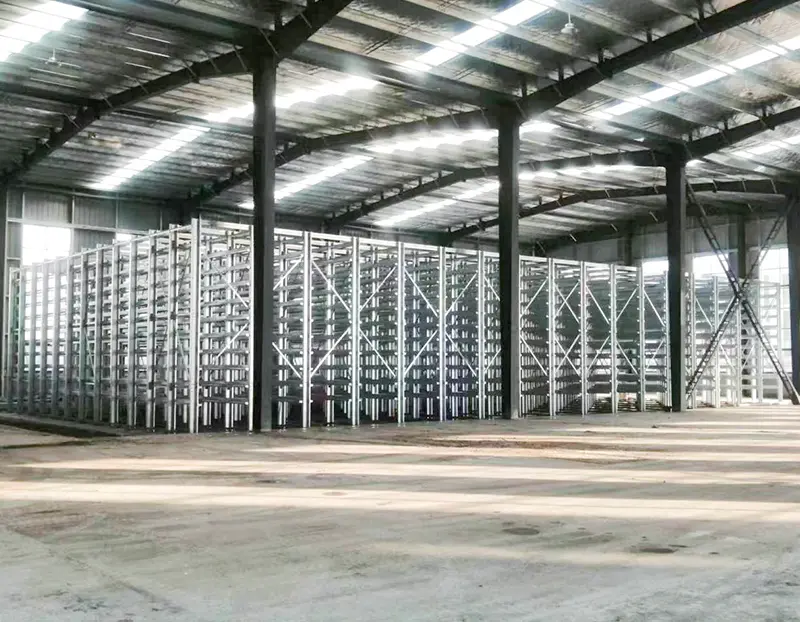
Brick machine curing room


Table of Contents


What Production Capacity and Layout Should Be Considered?

When selecting a Curing Kiln, the first and most practical factor is production capacity. Precast plants vary greatly in daily output, product type, and workshop space. Choosing an undersized kiln limits productivity, while an oversized unit increases unnecessary energy costs and capital investment.


1. Daily Output Requirements

Before investing, evaluate:

  • Number of concrete blocks or precast components produced per day
  • Cycle time per curing batch
  • Shift system and operating hours
  • Future expansion plans


Our engineering team at Quangong Machinery Co., Ltd. typically calculates curing chamber volume based on pallet dimensions and stacking configuration. Our factory provides tailored sizing solutions rather than standard fixed models.


2. Common Capacity Specifications

Model Chamber Length Effective Capacity Typical Output per Cycle Applicable Plant Scale
QG-KL20 20 m 150–200 pallets Small to medium Entry-level plants
QG-KL35 35 m 300–400 pallets Medium scale Growing manufacturers
QG-KL50 50 m 500+ pallets Large industrial High-volume operations


By selecting the appropriate Curing Kiln model, manufacturers ensure continuous workflow without bottlenecks.


3. Workshop Layout Considerations

Space planning is often underestimated. Key factors include:

  • Available floor area and ceiling height
  • Material flow direction
  • Access for forklifts or automatic conveyors
  • Ventilation requirements


Our design team conducts layout simulations to optimize installation, reducing idle time and maximizing usable space. Quangong Machinery Co., Ltd. emphasizes modular design, allowing flexible assembly to match plant geometry.


How Do Technical Parameters Determine Curing Performance?

Technical specifications define how effectively a Curing Kiln supports hydration and strength development. Inconsistent curing leads to cracking, uneven strength, and rejected products.


1. Temperature Control Accuracy

Ideal curing temperature for precast concrete typically ranges from 40°C to 70°C depending on mix design. Precision matters.

  • Temperature control tolerance: ±1°C
  • Uniform heat distribution through multi-point sensors
  • Programmable heating curves


Our systems integrate intelligent control panels to maintain consistent internal climate. Quangong Machinery Co., Ltd. integrates PLC automation for stable performance.


2. Humidity Regulation

Proper moisture retention prevents surface shrinkage cracks. Technical benchmarks include:

  • Relative humidity control up to 95 percent
  • Steam distribution uniformity
  • Automatic humidity sensors


3. Structural Design Parameters

Parameter Specification Range Importance
Insulation Thickness 80–120 mm Reduces heat loss
Panel Material Rock wool sandwich Fire resistant and durable
Steam Pressure 0.2–0.8 MPa Stable heat supply
Control System PLC automatic Precision and safety


These parameters ensure the Curing Kiln operates efficiently and reliably for long-term industrial use. Our factory continuously improves insulation structure to enhance durability.


Why Does Energy Efficiency and Thermal Control Matter?

Energy costs represent a significant portion of operating expenses. An inefficient kiln increases production cost per unit.


1. Heat Recovery Systems

  • Recycling exhaust steam
  • Thermal insulation optimization
  • Reduced fuel consumption


Our thermal design minimizes energy waste. Quangong Machinery Co., Ltd. implements multi-layer sealing systems to prevent heat leakage.


2. Insulation and Sealing

High-quality sealing strips and thick insulation panels ensure stable internal temperature. A well-designed Curing Kiln reduces reheating frequency.


3. Operational Cost Comparison

  • Lower steam consumption per cycle
  • Reduced electricity usage
  • Minimal maintenance expenses


Over time, energy-efficient systems generate measurable savings, improving return on investment.


How Can a Curing Kiln Integrate with Your Existing Production Line?

Integration capability is critical. A standalone system without synchronization disrupts production rhythm.


1. Automation Compatibility

  • Conveyor interface compatibility
  • Automatic door operation
  • Remote monitoring capability


At Zenith, our control systems support seamless integration with block machines and pallet handling systems.


2. Smart Monitoring

  • Real-time temperature tracking
  • Data logging and reporting
  • Fault detection alerts


Our factory prioritizes digital monitoring to enhance operational transparency.


3. Expansion Flexibility

A modular Curing Kiln design allows:

  • Chamber extension
  • Additional heating modules
  • Upgraded control systems


This flexibility ensures long-term scalability without replacing the entire system.


Conclusion

Choosing the right Curing Kiln for precast concrete operations requires a comprehensive evaluation of capacity, technical parameters, energy efficiency, and integration capability. By focusing on precise temperature control, durable structural design, optimized energy use, and automation compatibility, manufacturers can significantly enhance product quality and production efficiency.


Quangong Machinery Co., Ltd. provides customized solutions backed by engineering expertise and practical plant experience. Our commitment to innovation ensures that every Curing Kiln delivers stable performance and long service life. If you are planning to upgrade your precast production line, contact our team today to receive a tailored technical proposal and improve your operational efficiency.


FAQ

Q1: How to Choose the Right Curing Kiln for Precast Concrete Operations?
To choose the right Curing Kiln, evaluate production capacity, workshop layout, required temperature and humidity precision, energy efficiency, automation level, and compatibility with existing production lines. A technical assessment ensures optimal long-term performance.

Q2: What curing temperature range is ideal for precast concrete products?
Most precast concrete products require controlled temperatures between 40°C and 70°C. The exact setting depends on cement type, mix ratio, and desired early strength development.

Q3: How does humidity control affect concrete strength?
Maintaining high relative humidity prevents premature moisture loss, reduces shrinkage cracks, and promotes consistent hydration, resulting in improved structural strength and surface quality.

Q4: Can a Curing Kiln reduce production cycle time?
Yes. Controlled steam curing accelerates hydration, allowing earlier demolding and faster turnover, significantly increasing daily output without compromising product integrity.

Q5: What factors influence the service life of a Curing Kiln?
Material quality, insulation thickness, control system reliability, maintenance frequency, and operational discipline all influence durability.

Related News
Leave me a message
X
We use cookies to offer you a better browsing experience, analyze site traffic and personalize content. By using this site, you agree to our use of cookies. Privacy Policy
Reject Accept