News

Why Is a Brick Curing Room Essential for High-Quality Brick Production?

2026-05-20 0 Leave me a message

A brick curing room is one of the most important systems in modern brick manufacturing. Whether producing concrete bricks, fly ash bricks, AAC blocks, or cement blocks, proper curing directly affects compressive strength, durability, color consistency, moisture balance, and production efficiency.

This article explains how brick curing rooms work, why they are important, common challenges manufacturers face, the differences between traditional and automated curing systems, and how advanced curing technology helps factories increase productivity while reducing operational costs.

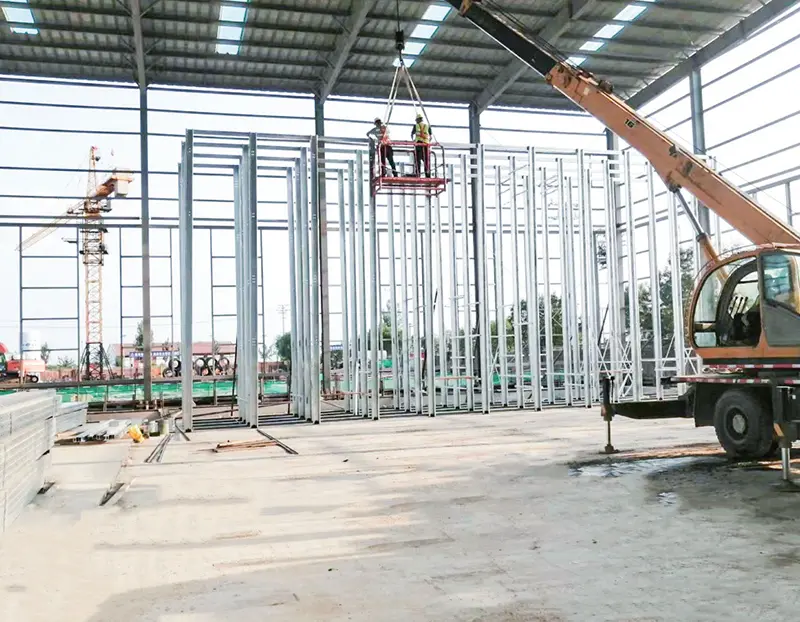
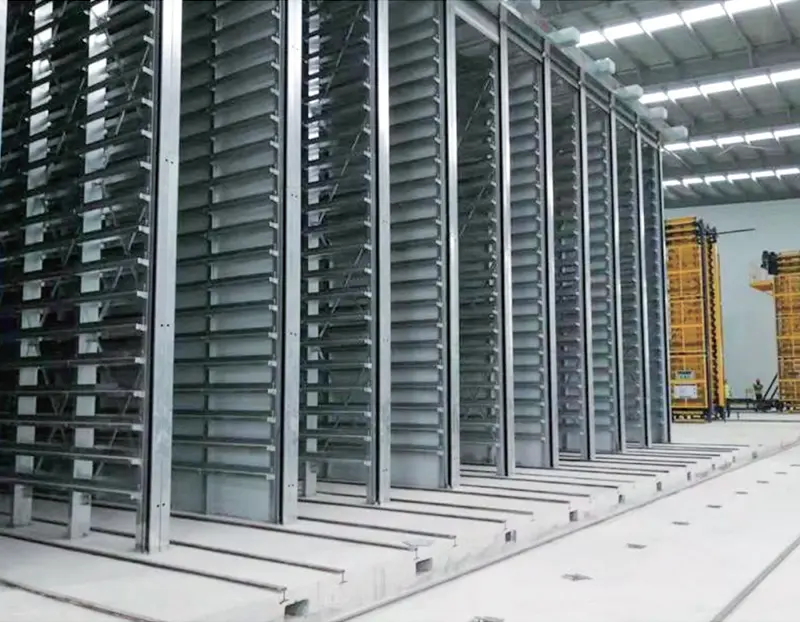
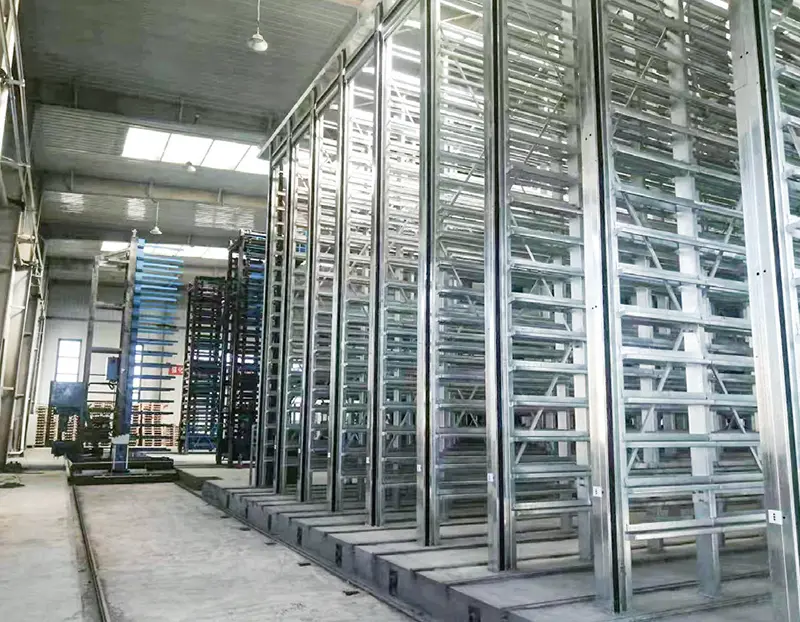
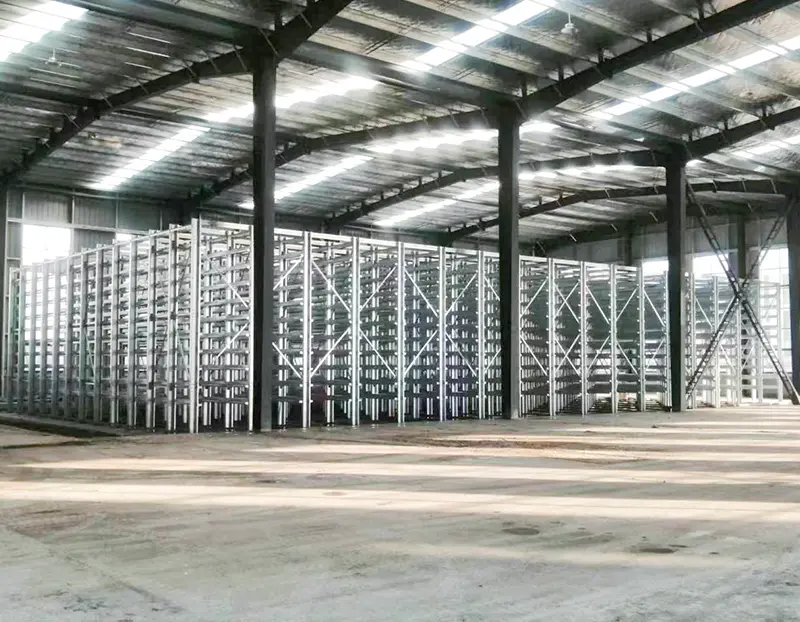
brick curing room


1. What Is a Brick Curing Room?

A brick curing room is a controlled environment used to maintain optimal temperature and humidity conditions during the curing process of bricks or blocks. The purpose of curing is to allow cement hydration and material bonding to occur properly, ensuring the final product achieves its designed strength and durability.

In modern manufacturing plants, curing rooms are commonly used for:

  • Concrete bricks
  • Fly ash bricks
  • Cement blocks
  • Paving blocks
  • AAC blocks
  • Interlocking bricks

Unlike traditional outdoor curing methods that depend heavily on weather conditions, enclosed curing rooms provide stable and predictable curing environments year-round.

2. Why Is Proper Brick Curing Important?

Many manufacturers focus heavily on raw materials and molding equipment but underestimate the importance of curing. In reality, improper curing can ruin even perfectly molded bricks.

During curing, cement particles react with water in a process called hydration. This reaction forms the internal structure that gives bricks their final strength.

Factor Impact on Brick Quality
Humidity Control Prevents cracking and moisture loss
Temperature Stability Accelerates strength development
Curing Duration Improves durability and hardness
Air Circulation Ensures uniform curing results

Proper curing improves:

  • Compressive strength
  • Dimensional stability
  • Surface finish
  • Water resistance
  • Freeze-thaw durability
  • Product consistency

3. How Does a Brick Curing Room Work?

A brick curing room creates a controlled environment using heating systems, steam generation, humidity regulation, and ventilation equipment.

The process generally includes the following steps:

  1. Freshly molded bricks are transported into the curing room.
  2. The room temperature gradually increases.
  3. Humidity is maintained at optimal levels.
  4. Steam or moisture circulation supports hydration.
  5. Bricks remain in the room for a specific curing cycle.
  6. Finished bricks are removed for storage or packaging.
Typical Curing Conditions:
  • Temperature: 40°C–80°C
  • Humidity: 85%–95%
  • Curing Time: 6–24 hours depending on brick type

4. Types of Brick Curing Rooms

Different brick factories require different curing systems depending on production volume, climate conditions, and product type.

Type Features Best For
Steam Curing Room Uses steam for rapid curing High-volume production
Natural Curing Room Relies on ambient conditions Small factories
Autoclave System High-pressure steam curing AAC block plants
Intelligent Automated Room PLC-controlled curing Modern smart factories

5. Major Benefits of Modern Curing Rooms

Modern brick curing rooms offer significant operational advantages compared with traditional outdoor curing methods.

Faster Production Cycles

Accelerated curing allows factories to reduce waiting times and increase daily production output.

Consistent Product Quality

Controlled conditions reduce variations between batches and improve customer satisfaction.

Reduced Product Damage

Proper humidity prevents cracking, warping, and structural weakness.

All-Weather Operation

Production continues regardless of rain, cold temperatures, or dry climates.

6. Common Problems Without Proper Curing

Factories using outdated or uncontrolled curing methods often experience serious quality issues.

  • Surface cracking
  • Low compressive strength
  • Color inconsistency
  • Excessive breakage during transportation
  • High rejection rates
  • Production delays
  • Customer complaints

In many cases, manufacturers lose significant profits because bricks fail quality inspections due to improper curing conditions.

7. Why Automation Matters in Brick Curing

Automated curing rooms are transforming modern brick manufacturing. Intelligent systems use sensors and programmable controls to maintain precise curing conditions.

Key automated features include:

  • Automatic steam control
  • Humidity monitoring
  • Temperature regulation
  • Remote system management
  • Energy optimization
  • Real-time data tracking

Automation reduces labor dependency while improving reliability and productivity.

8. Energy Efficiency and Sustainability

Energy consumption is one of the biggest operational costs in brick manufacturing. Advanced curing rooms are designed to minimize heat loss and optimize thermal efficiency.

Modern energy-saving technologies include:

  • Insulated wall panels
  • Heat recovery systems
  • Efficient steam circulation
  • Automatic temperature balancing
  • Smart energy monitoring systems

Efficient curing systems not only reduce operational costs but also help factories meet environmental regulations and sustainability targets.

9. How to Choose the Right Brick Curing Room

Choosing the correct curing room depends on multiple operational factors.

  • Production Capacity: Daily output requirements
  • Brick Type: Concrete, AAC, fly ash, or paving blocks
  • Climate Conditions: Cold or dry environments may require advanced insulation
  • Automation Level: Manual, semi-automatic, or fully automatic
  • Energy Source: Steam, electricity, or gas
  • Factory Layout: Available installation space

Manufacturers should also evaluate supplier experience, after-sales support, and equipment durability before investing.

10. Maintenance Tips for Long-Term Performance

Regular maintenance ensures stable curing performance and extends equipment lifespan.

  1. Inspect steam pipelines regularly.
  2. Clean humidity nozzles and ventilation systems.
  3. Monitor insulation integrity.
  4. Calibrate sensors periodically.
  5. Check electrical and control systems.
  6. Prevent water leakage and corrosion.

Preventive maintenance reduces downtime and helps avoid unexpected production interruptions.

11. Future Trends in Brick Curing Technology

The brick manufacturing industry continues to evolve toward smarter, greener, and more automated production systems.

Future curing room trends include:

  • AI-driven curing optimization
  • IoT monitoring platforms
  • Fully automated production integration
  • Low-energy steam systems
  • Cloud-based factory management
  • Eco-friendly thermal technologies

Factories investing in intelligent curing technology today are positioning themselves for long-term competitiveness and operational efficiency.

12. FAQ

Q1: How long should bricks stay inside a curing room?

The curing duration depends on brick type, raw materials, and curing temperature. Most concrete bricks require 6–24 hours in controlled curing environments.

Q2: What humidity level is ideal for brick curing?

Most brick curing processes require humidity levels between 85% and 95% to prevent moisture loss and ensure proper hydration.

Q3: Can curing rooms improve brick strength?

Yes. Controlled curing significantly improves compressive strength, structural stability, and long-term durability.

Q4: Are automated curing rooms worth the investment?

Automated systems improve consistency, reduce labor costs, minimize product defects, and increase production efficiency, making them highly valuable for medium and large factories.

Q5: What industries use brick curing rooms?

Brick curing rooms are widely used in construction material manufacturing, including concrete block plants, paving stone factories, AAC production lines, and fly ash brick facilities.

13. Conclusion

A brick curing room is far more than just a storage space for fresh bricks. It is a critical component that directly affects product quality, production speed, operational efficiency, and long-term profitability.

As construction material standards continue to rise worldwide, manufacturers must adopt reliable curing technologies to remain competitive. Advanced curing rooms help factories produce stronger, more durable, and more consistent bricks while reducing waste and energy consumption.

QUANGONG MACHINERY CO.,LTD specializes in advanced brick production solutions, including intelligent curing systems designed for modern manufacturing plants. From automated curing technology to complete brick production lines, the company helps manufacturers improve efficiency and product quality worldwide.

Contact Us

Looking for a reliable brick curing room solution for your factory? Contact QUANGONG MACHINERY CO.,LTD today to explore customized brick production systems, intelligent curing technologies, and complete plant solutions tailored to your manufacturing needs.

Related News
Leave me a message
X
We use cookies to offer you a better browsing experience, analyze site traffic and personalize content. By using this site, you agree to our use of cookies. Privacy Policy
Reject Accept