News

Why Is the Brick Making Machinery Maintenance Room So Critical for Stable Production?

2026-05-12 0 Leave me a message

In modern brick manufacturing plants, the stability and efficiency of production lines heavily depend on one often underestimated facility: the maintenance room for brick making machinery. This space is not just a storage or repair area—it is the operational backbone that ensures machines run continuously, safely, and at peak performance. Without a properly designed and managed maintenance room, production downtime increases, repair costs escalate, and product quality becomes inconsistent. This article explores the structure, functions, management strategies, and optimization methods of a Brick Making Machinery Maintenance Room, providing a complete guide for plant operators, engineers, and decision-makers aiming to improve productivity and equipment lifespan.

Brick Making Machinery Maintenance Room


Table of Contents


1. What Is a Brick Making Machinery Maintenance Room and Why Does It Matter?

A Brick Making Machinery Maintenance Room is a dedicated operational space designed for inspection, repair, calibration, and storage of essential machine parts used in brick production lines. It serves as a central hub where mechanical, hydraulic, and electrical systems are maintained to ensure uninterrupted production.

In large-scale manufacturing environments, machines such as mixers, hydraulic presses, conveyor systems, and curing equipment operate continuously under high pressure. Without a structured maintenance system, even minor issues can lead to complete production shutdowns.

The maintenance room acts as a preventive safeguard, allowing technicians to detect issues early, replace worn components, and optimize machine performance before breakdowns occur.


2. Key Components Inside a Maintenance Room

A well-designed maintenance room contains specialized tools, diagnostic systems, and storage facilities that support efficient machinery upkeep.

  • Hydraulic system repair tools and seal kits
  • Electrical diagnostic instruments (multimeters, PLC testers)
  • Lubrication and oil management systems
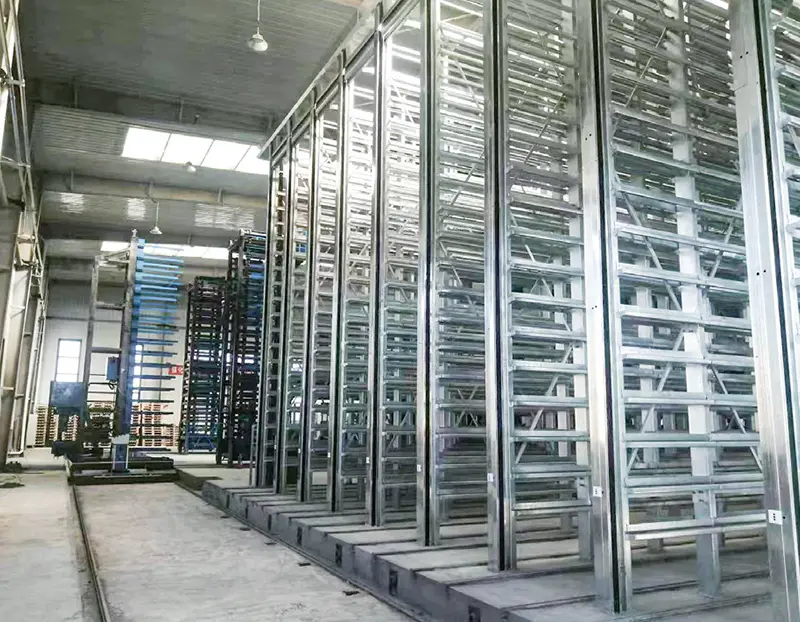
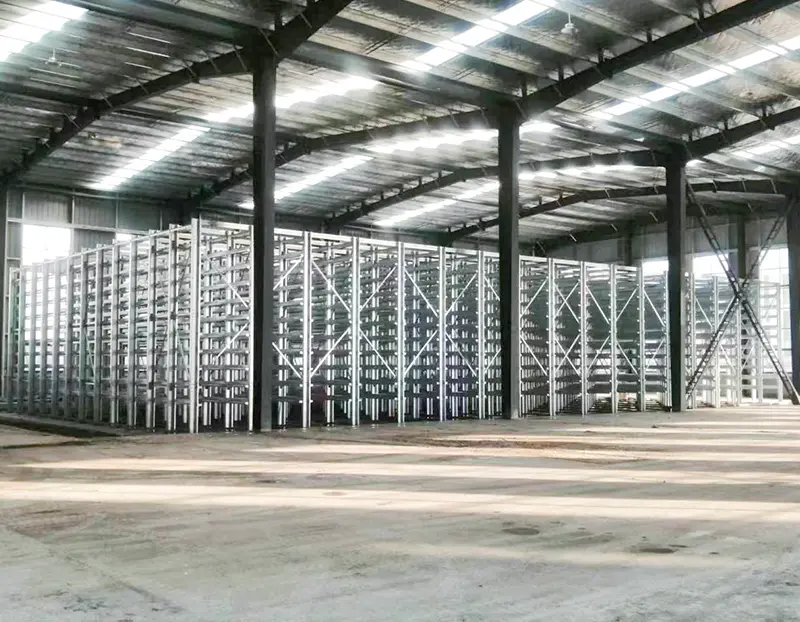
  • Spare parts storage racks
  • Welding and metal fabrication tools
  • Cooling and ventilation systems

Table: Typical Maintenance Room Equipment Overview

Equipment Type Function Importance Level
Hydraulic Testing Bench Diagnose pressure system faults High
Lubrication System Reduce machine friction High
Electrical Analyzer Detect circuit issues Medium
Spare Parts Storage Organize replacement components High

3. Common Operational Pain Points in Brick Machinery Maintenance

Many factories underestimate the importance of a structured maintenance environment, leading to several recurring issues:

  • Unexpected downtime: Lack of preventive maintenance leads to sudden breakdowns.
  • Overheating systems: Poor ventilation causes hydraulic and electrical failures.
  • Dust accumulation: Brick production environments generate heavy dust affecting machinery precision.
  • Delayed repairs: Poor spare parts organization slows down maintenance response time.
  • Human error: Lack of standardized procedures increases operational risks.

4. Maintenance Workflow for Maximum Efficiency

A structured maintenance workflow ensures consistency and reduces downtime risks. A typical workflow includes:

  1. Initial machine inspection and diagnostics
  2. Fault identification and classification
  3. Spare part retrieval and preparation
  4. Repair or replacement execution
  5. System recalibration
  6. Performance testing
  7. Documentation and reporting

Each stage is critical in ensuring machines return to optimal performance without recurring faults.


5. Environmental Control in Maintenance Rooms

Environmental conditions significantly influence machinery maintenance quality. Poor conditions can reduce equipment lifespan and increase failure rates.

  • Temperature regulation (ideal: 18°C–26°C)
  • Humidity control to prevent corrosion
  • Dust filtration systems
  • Proper lighting for precision work
  • Noise reduction insulation

6. Safety Management Practices

Safety in maintenance rooms is essential due to the presence of high-pressure hydraulic systems, electrical components, and heavy machinery parts.

  • Mandatory PPE (gloves, helmets, safety shoes)
  • Electrical isolation before repair
  • Fire extinguishing systems installed
  • Emergency shutdown procedures
  • Regular staff safety training

7. Preventive Maintenance Schedule

Example Maintenance Plan

Frequency Task Target Equipment
Daily Visual inspection and lubrication All machines
Weekly Hydraulic system pressure check Press machines
Monthly Electrical system testing Control panels
Quarterly Full system calibration Entire production line

8. Troubleshooting Guide

  • Low hydraulic pressure: Check oil levels and pump condition
  • Machine vibration: Inspect alignment and bearings
  • Electrical failure: Test circuit breakers and wiring
  • Overheating: Improve ventilation and cooling systems

9. Digital Monitoring and Smart Maintenance Systems

Modern brick factories increasingly adopt digital monitoring systems to improve maintenance efficiency. These systems allow real-time tracking of machine conditions, predictive failure alerts, and automated reporting.

  • IoT-based sensor monitoring
  • AI predictive maintenance alerts
  • Cloud-based maintenance logs
  • Remote diagnostics

10. Cost and Efficiency Analysis

Investing in a proper maintenance room significantly reduces long-term operational costs by minimizing breakdowns and extending machine lifespan.

  • Reduced emergency repair costs
  • Lower production downtime losses
  • Extended machinery lifespan
  • Improved product consistency

11. Practical Case Insight

A medium-sized brick production facility upgraded its maintenance room with structured workflow systems and environmental controls. Within six months, machine downtime decreased by 38%, and maintenance response time improved by 45%. This demonstrates how systematic maintenance infrastructure directly impacts production efficiency.


12. Frequently Asked Questions (FAQ)

Q1: Why is a maintenance room necessary for brick making machinery?
It ensures machines are regularly serviced, reducing breakdowns and improving production stability.

Q2: How large should a maintenance room be?
It depends on production scale, but it must accommodate tools, spare parts, and repair stations comfortably.

Q3: What is the most important equipment inside?
Hydraulic testing systems and electrical diagnostic tools are critical.

Q4: How often should maintenance be done?
Daily inspections plus scheduled weekly, monthly, and quarterly servicing are recommended.

Q5: Can digital systems replace manual maintenance?
No, but they significantly enhance accuracy and predictive capability.

Q6: What is the biggest risk without a maintenance room?
Unplanned downtime and expensive machinery failures.


13. Conclusion

A Brick Making Machinery Maintenance Room is not just a support facility—it is a strategic asset that determines production efficiency, equipment lifespan, and operational safety. By implementing structured workflows, environmental controls, preventive schedules, and digital monitoring systems, manufacturers can significantly reduce downtime and improve profitability.


14. Contact and Professional Support

For advanced brick making machinery solutions, optimized production systems, and professional maintenance room planning support, QUANGONG MACHINERY CO.,LTD provides industry-leading expertise and integrated equipment solutions tailored to modern manufacturing needs.

If you are looking to upgrade your production efficiency or design a high-performance maintenance system, feel free to contact us for professional consultation and customized solutions.

Related News
Leave me a message
X
We use cookies to offer you a better browsing experience, analyze site traffic and personalize content. By using this site, you agree to our use of cookies. Privacy Policy
Reject Accept