News

Which Block Brick Machinery Curing Kiln Is Best for Maximum Efficiency?

2026-01-14 0 Leave me a message
Block Brick Machinery Curing Kiln: Questions and Answers for Optimal Use

Block Brick Machinery Curing Kiln plays a pivotal role in the manufacturing lifecycle of concrete blocks and bricks. Whether you're a plant manager, construction materials supplier, or industry investor, understanding how a curing kiln works and the benefits it offers will elevate your operational efficiency and product quality.

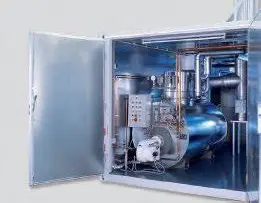
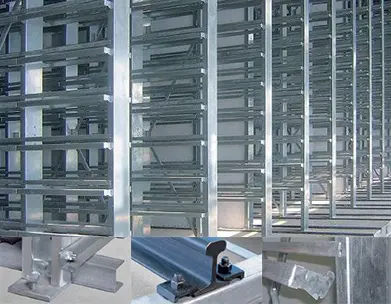
Block Brick Machinery Curing Kiln

Article Summary

This comprehensive article examines the most common questions surrounding Block Brick Machinery Curing Kilns — including what they are, how they work, why they matter, advantages and disadvantages, selection criteria, operation guidance, maintenance, and future trends. We also include practical comparison tables and a detailed FAQ section to help you make informed decisions.

Table of Contents

What is a Block Brick Machinery Curing Kiln?

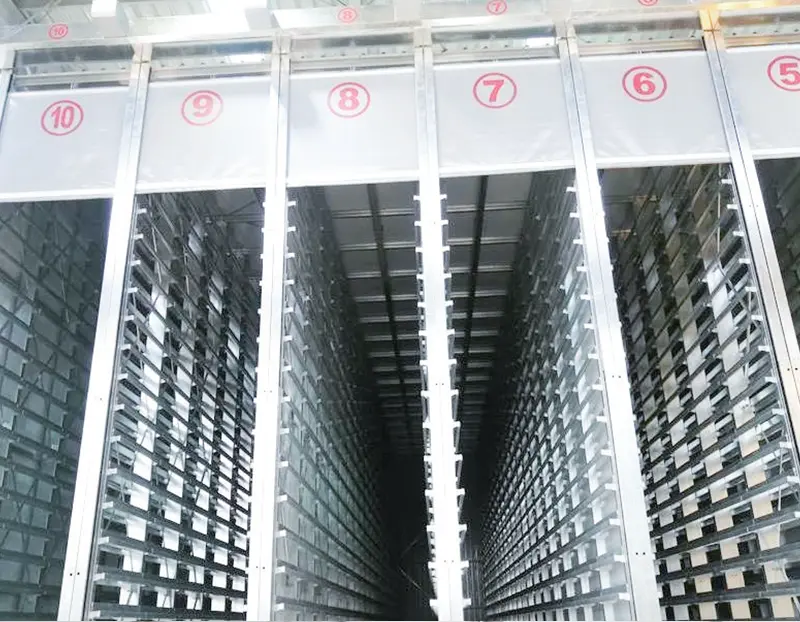
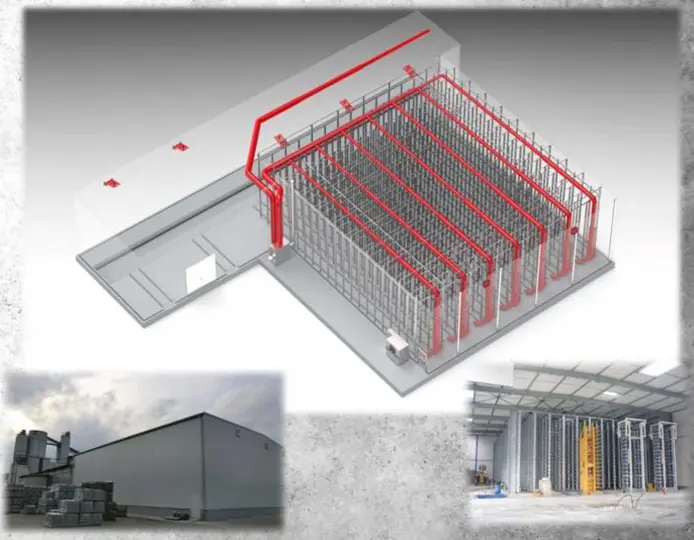
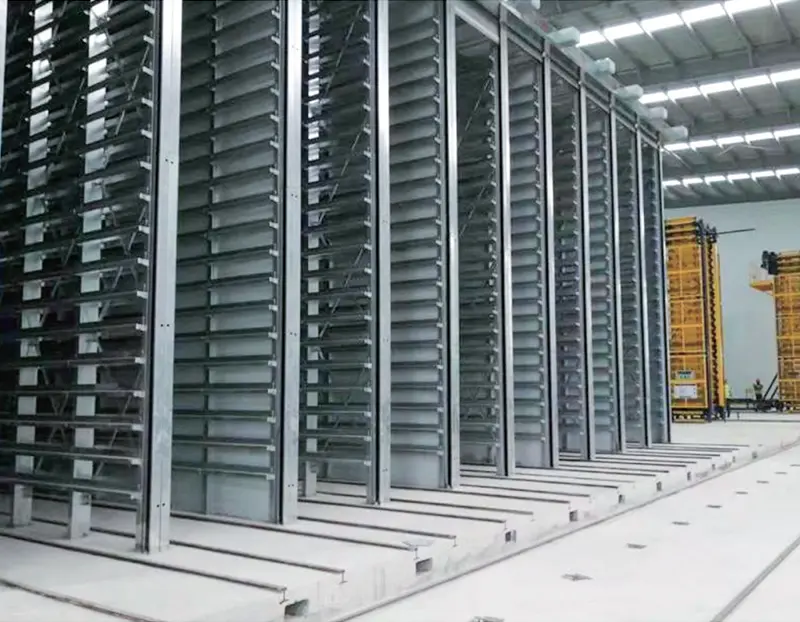
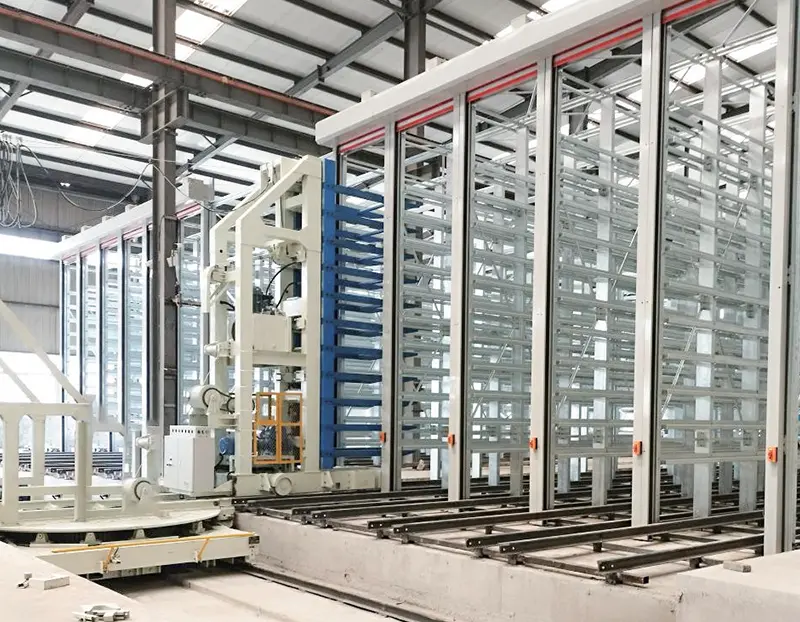
A Block Brick Machinery Curing Kiln is a specialized industrial oven designed to control temperature and humidity to cure concrete products such as bricks, blocks, pavers, and other masonry units. Curing is a critical phase where hydration continues after initial setting, increasing strength and durability.

How Does a Curing Kiln Work?

Curing kilns use regulated heat and moisture cycles to replicate ideal curing conditions that would otherwise require natural weather environments. The kiln creates a controlled atmosphere to accelerate strength gain, minimize cracks, and improve structural integrity.

What Are the Benefits of Using a Curing Kiln?

Below is a detailed look at key benefits:

Benefit Description
Improved Strength Ensures blocks and bricks gain consistent compressive strength at a faster rate compared to ambient curing.
Higher Production Shorter curing cycles enable more batches per day.
Quality Consistency Uniform conditions reduce defects and improve product reliability.
Reduced Waste Controlled environment minimizes breakage and rejects.
Energy Efficiency Modern kilns optimize heat distribution for lower fuel consumption.

What Are the Limitations?

Every technology has trade-offs. Here’s what to consider:

  • Higher Initial Cost: Purchasing and installing a curing kiln require capital investment.
  • Energy Demand: Kilns require fuel or power, which can impact operational costs if not managed efficiently.
  • Maintenance Requirements: Periodic servicing is necessary to maintain efficiency and prevent downtime.

How to Select the Right Curing Kiln?

Choosing the ideal curing kiln depends on multiple criteria:

Selection Factor Why It Matters
Capacity Match kiln size to production volume to avoid bottlenecks.
Temperature Control Precision settings ensure uniform cure and high product quality.
Energy Source Natural gas, electricity, or biomass combustion impacts operational cost.
Automation Level Higher automation can reduce labor costs and human error.
Brand Reputation Reputable brands like QUANGONG MACHINERY CO.,LTD offer reliability and after-sales support.

How to Operate It Safely?

Operational safety is essential in curing kiln use. Recommended practices include:

  • Read the manufacturer manual thoroughly before operation.
  • Ensure all safety sensors and insulation components are functional.
  • Train operators on emergency shutoff and hazard recognition.
  • Monitor environmental conditions to prevent overheating or moisture imbalance.

What Are Common Maintenance Tips?

Proper maintenance prolongs kiln life and maintains performance:

  • Inspect heating elements and burners regularly.
  • Clean humidity sensors and replace worn seals.
  • Lubricate moving parts on a scheduled basis.
  • Audit energy usage patterns to detect inefficiencies early.

Industry trends include:

  • Smart Kilns: Integration with IoT for remote monitoring and predictive maintenance.
  • Energy Recovery: Recapturing waste heat for enhanced sustainability.
  • AI Assistance: Algorithm-based optimization of curing cycles for varying materials.

Frequently Asked Questions

What makes a curing kiln essential in block and brick production?

A curing kiln accelerates hydration reactions needed for concrete-based products to develop strength. It ensures uniformity throughout batches, leading to higher structural reliability — something natural curing cannot guarantee consistently under variable weather conditions.

Can all types of bricks be cured using a Block Brick Machinery Curing Kiln?

Most concrete-based bricks, blocks, and pavers benefit from kiln curing. However, traditional clay-fired bricks use different firing processes. Always consult manufacturer guidance — quality suppliers like QUANGONG MACHINERY CO.,LTD provide clear product compatibility charts.

How long does the curing process take in a kiln?

Curing time varies based on material mix, kiln model, and desired strength. Typical cycles range from 8 to 24 hours. Faster cycles increase throughput but require precise control of temperature and humidity.

Is kiln curing more energy-intensive than natural curing?

While kilns consume energy, modern designs optimize distribution and recovery to minimize fuel usage. When compared to prolonged natural curing periods with inconsistent outcomes, kilns often deliver lower total energy cost per quality unit.

What maintenance frequency should be followed?

Daily quick inspections, weekly functional tests, and quarterly deep servicing are recommended. Follow the manufacturer’s maintenance plan to avoid unplanned downtime and costly repairs.

How does selecting the right kiln affect product quality?

Choosing a kiln with appropriate capacity, control systems, and energy source determines curing uniformity. Inaccurate conditions lead to weak or cracked products, harming reputation and increasing waste.

Where can I buy a reliable curing kiln?

Reputable industrial manufacturers like QUANGONG MACHINERY CO.,LTD supply customized solutions, installation support, and post-sale services that help optimize your production line.


References:

  • Concrete Curing Principles — Portland Cement Association
  • Industrial Kilns and Drying Systems — Manufacturing Today Journal

If you’re ready to upgrade your production efficiency and quality with a premium Block Brick Machinery Curing Kiln, contact us at QUANGONG MACHINERY CO.,LTD for personalized consultation, free quotations, and industry-leading support!

Related News
Leave me a message
X
We use cookies to offer you a better browsing experience, analyze site traffic and personalize content. By using this site, you agree to our use of cookies. Privacy Policy
Reject Accept