News

How Does a Concrete Brick Machine Curing Kiln Transform Production Efficiency?

2026-04-29 0 Leave me a message

In the modern construction materials industry, achieving consistent quality, durability, and cost efficiency is a constant challenge. A Concrete Brick Machine Curing Kiln plays a crucial role in solving these issues by providing controlled curing environments that significantly enhance the strength and uniformity of concrete bricks. This comprehensive guide explores how curing kilns work, why they matter, and how businesses can leverage them to improve production outcomes, reduce waste, and gain a competitive edge.

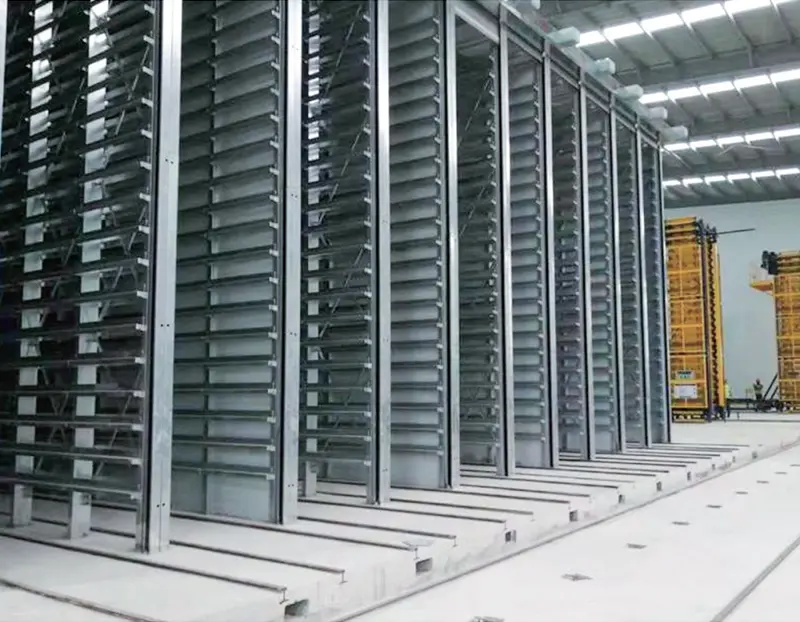
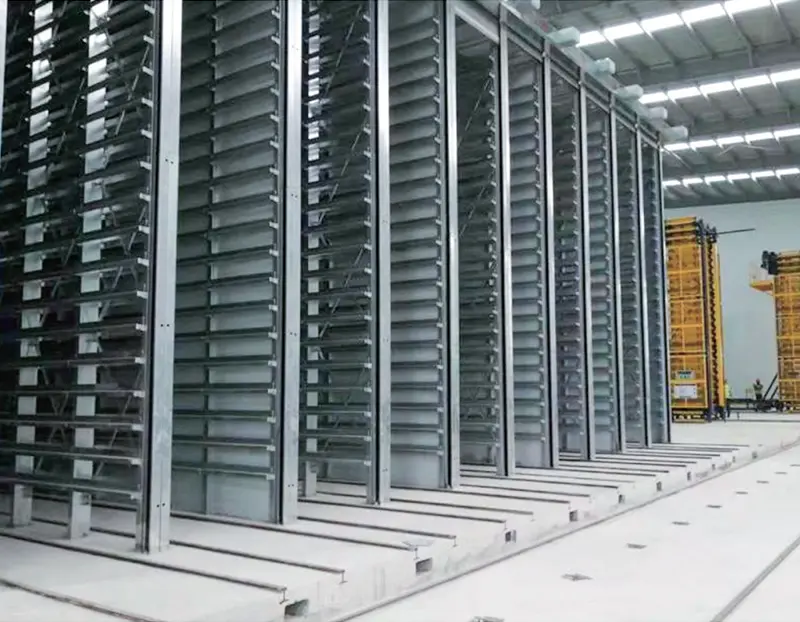
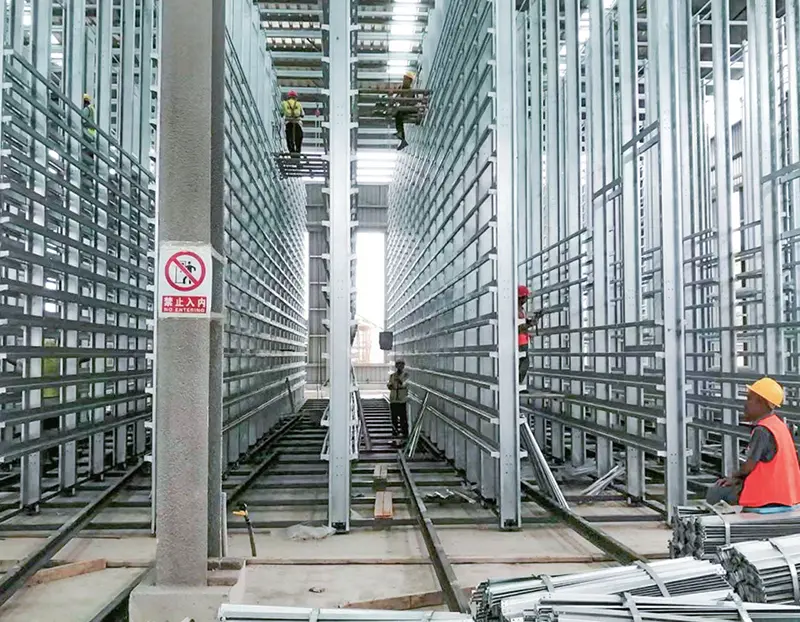
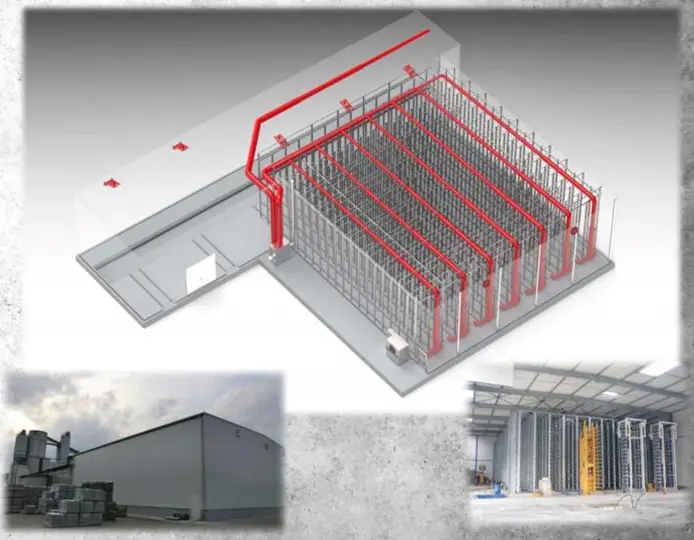
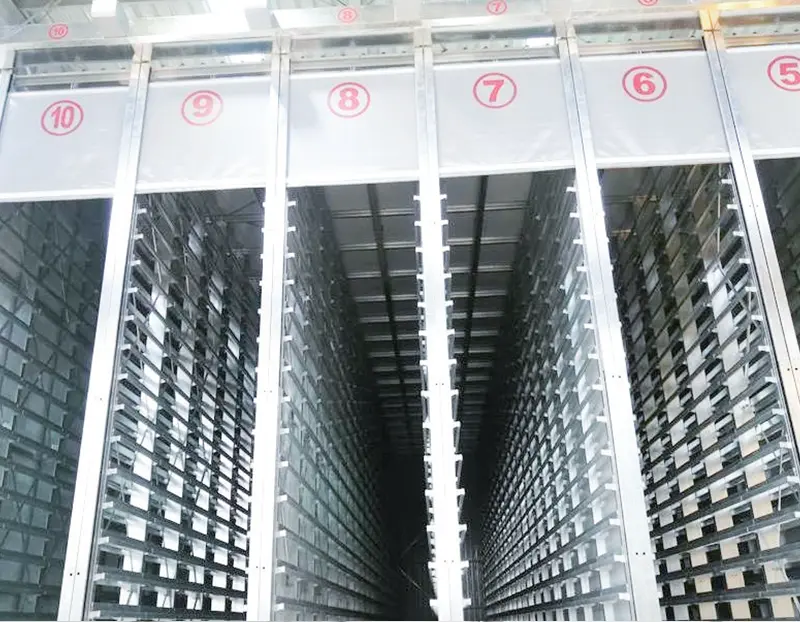
Concrete Brick Machine Curing Kiln


Table of Contents


1. Introduction

The construction industry depends heavily on the quality of building materials. Concrete bricks, known for their strength and durability, require precise curing to reach optimal performance. Without proper curing, bricks may crack, lose strength, or fail prematurely. This is where a Concrete Brick Machine Curing Kiln becomes indispensable.


2. Common Challenges in Brick Production

  • Inconsistent curing due to weather conditions
  • Low production efficiency
  • High rejection rates from poor quality bricks
  • Extended curing time leading to delayed delivery
  • Excessive labor dependency

These issues directly impact profitability and customer satisfaction, making efficient curing solutions essential.


3. What Is a Concrete Brick Machine Curing Kiln?

A curing kiln is a specialized chamber designed to control temperature, humidity, and airflow during the curing process of concrete bricks. It accelerates hydration reactions within the cement, ensuring that bricks achieve their intended strength quickly and uniformly.


4. How Does a Curing Kiln Work?

The curing kiln operates by creating an optimal environment for cement hydration. The process includes:

  • Temperature Control: Maintains consistent heat levels
  • Humidity Regulation: Prevents moisture loss
  • Steam Injection: Enhances curing speed
  • Air Circulation: Ensures uniform curing

This controlled environment significantly reduces curing time while improving product consistency.


5. Key Benefits of Using a Curing Kiln

Benefit Description
Faster Production Reduces curing time from days to hours
Improved Strength Enhances compressive strength of bricks
Consistency Uniform quality across batches
Weather Independence Production unaffected by external climate
Cost Efficiency Lower labor and material waste

6. Types of Curing Kilns

  • Steam Curing Kilns: Use steam to accelerate hydration
  • Autoclave Kilns: High-pressure curing for superior strength
  • Electric Heating Kilns: Energy-efficient and precise control
  • Hybrid Systems: Combine multiple curing methods

7. Comparison: Natural vs Kiln Curing

Factor Natural Curing Kiln Curing
Time 7–28 days 8–24 hours
Quality Variable Consistent
Weather Impact High None
Labor Requirement High Low

8. How to Choose the Right Curing Kiln

  • Production capacity requirements
  • Energy consumption considerations
  • Automation level
  • Available space
  • Budget constraints

Selecting the right kiln ensures long-term operational success and cost savings.


9. Best Practices for Maximizing Efficiency

  • Maintain optimal temperature and humidity levels
  • Regularly calibrate sensors
  • Use high-quality raw materials
  • Implement automated control systems
  • Train staff on proper operation procedures

10. Maintenance and Longevity Tips

  • Inspect heating elements regularly
  • Clean steam pipes and valves
  • Monitor insulation performance
  • Replace worn-out components promptly

Proper maintenance ensures consistent performance and extends equipment lifespan.


11. Future Trends in Brick Curing Technology

  • Smart automation and IoT integration
  • Energy-efficient kiln designs
  • AI-based process optimization
  • Eco-friendly curing solutions

12. FAQ

Q1: How long does kiln curing take?
A: Typically between 8 to 24 hours depending on the system and brick type.

Q2: Is kiln curing expensive?
A: While initial investment is higher, long-term savings in labor and efficiency make it cost-effective.

Q3: Can kiln curing improve brick strength?
A: Yes, it significantly enhances compressive strength and durability.

Q4: What industries benefit most?
A: Construction material manufacturers, infrastructure projects, and large-scale brick producers.

Q5: Is automation necessary?
A: Not mandatory, but highly recommended for consistent results and efficiency.


13. Conclusion

A Concrete Brick Machine Curing Kiln is more than just equipment—it is a strategic investment that directly impacts product quality, production speed, and operational efficiency. By adopting advanced curing technology, manufacturers can overcome traditional challenges, reduce costs, and deliver superior products to the market.

QUANGONG MACHINERY CO.,LTD is committed to providing cutting-edge solutions for the concrete brick industry. If you are looking to enhance your production capabilities and stay ahead in a competitive market, contact us today to explore customized curing kiln solutions tailored to your needs.

Related News
Leave me a message
X
We use cookies to offer you a better browsing experience, analyze site traffic and personalize content. By using this site, you agree to our use of cookies. Privacy Policy
Reject Accept